Diving and Snorkeling in Raja Ampat
Part of the Raja Ampat travel guide — see every topic in All Raja Ampat Guides.
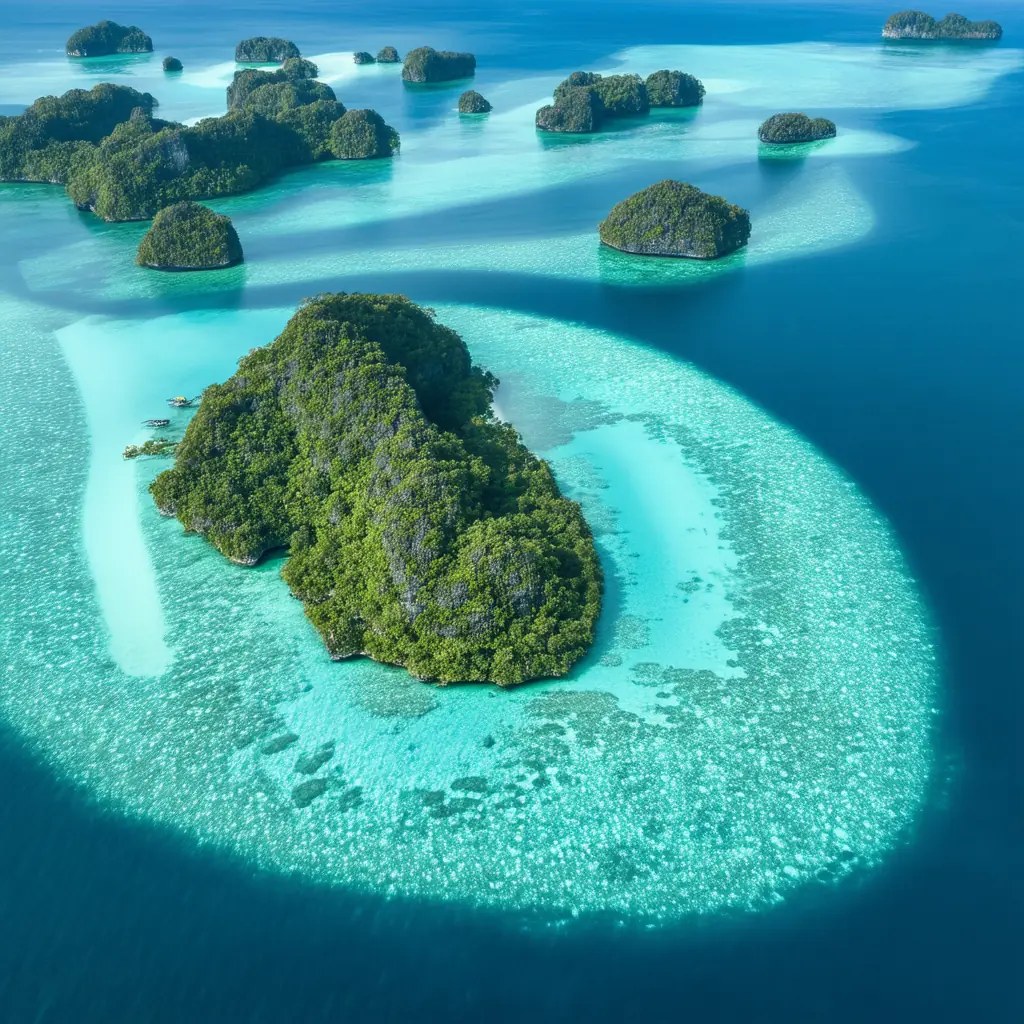
Raja Ampat sits at the exact centre of the Coral Triangle, at the meeting point of the Pacific and Indian oceans, and surveys have recorded more marine species here than anywhere else measured: over 1,500 reef fish and around 600 coral species, roughly three-quarters of all coral known to science, in an archipelago covering about 40,000 square kilometres. For divers it is the benchmark. For snorkellers it is unusually generous, because a great deal of that life sits in the top five metres.
The signature dive sites
Cape Kri, off Kri island in the Dampier Strait, holds the record for the most fish species counted on a single dive — 374, by the ichthyologist Gerald Allen. Blue Magic and Sardine Reef in the same strait are current-swept seamounts where mantas, sharks and enormous schools of jack and barracuda gather. Melissa's Garden in the Fam group is a shallow coral garden that is arguably the most photogenic reef in Indonesia. In the far south, Misool's sites — Boo Windows, Magic Mountain, Four Kings — combine soft coral walls with pygmy seahorses and mantas.
North and south
Raja Ampat divides into two dive regions that require different trips. The Dampier Strait in the north, around Waisai, Kri, Mansuar and Gam, is where the homestays and most resorts are, reachable by day boat, with strong currents and big schooling action. Misool in the south is four to five hours by fast boat from Sorong, has fewer operators, better soft coral and richer macro life, and is effectively liveaboard or resort-only. Wayag and the far north-west are remote enough that only liveaboards reach them, and are as much about the landscape as the diving.
Snorkelling
Raja Ampat is exceptional for snorkelling in a way most world-class dive destinations are not, because the reef flats are shallow and healthy and the fish are dense right up to the surface. Many homestays have a house reef you can swim to from the beach. Yenbuba jetty, Sawandarek and Arborek village jetties all have coral and fish directly under the pilings, and Arborek in particular is famous for it. Friwen Wall is a vertical soft-coral wall starting a metre down. The caveat is current: it runs hard in the straits and you snorkel with a boat following.
Conditions and logistics
Water is twenty-seven to thirty degrees, visibility fifteen to thirty metres, and current is the defining variable — the Dampier Strait sites are drift dives and several require a reef hook and real experience. A two-tank day trip from a homestay or resort runs 1.5–2.5 million rupiah; liveaboards are 4–12 million per person per night. There is a hyperbaric chamber in Waisai and another in Sorong. Nitrox is widely available. Bring your own mask and computer at minimum — rental gear at the homestay end can be tired.
Diving and Snorkeling at a glance
| Biodiversity | ~1,500 reef fish, ~600 coral species — the world record |
|---|---|
| Record dive | 374 fish species on one dive at Cape Kri |
| North | Dampier Strait — day-boat diving, strong currents, big schools |
| South | Misool — soft coral and macro; liveaboard or resort |
| Water | 27–30°C, 15–30 m visibility |
| Two-tank day trip | IDR 1.5m–2.5m |