Photography Hotspots in Bali
Part of the Bali travel guide — see every topic in All Bali Guides.
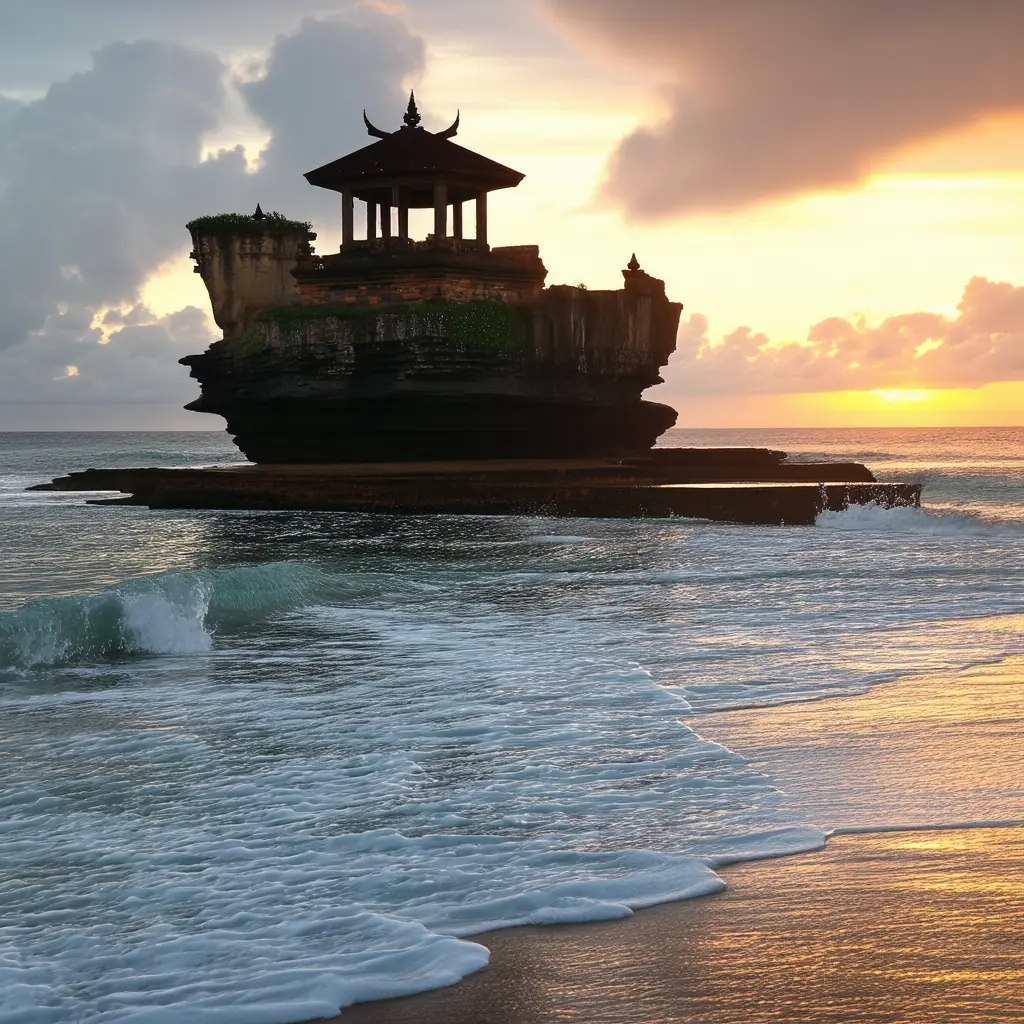
Bali is one of the most photographed islands on earth, which has two consequences. The good one is that the light, the landscape and the architecture genuinely deliver. The bad one is that the well-known compositions now come with an entrance fee, a queue and, at several sites, a purpose-built platform with an attendant taking the photograph for you. Everything below is materially better before eight in the morning, and several of the best frames are not on the standard list at all.
The classic frames
Tanah Lot at sunset: a temple on a sea rock, best from the northern cliff path rather than the crowded main terrace, and only an island at high tide. Kelingking on Nusa Penida: the dinosaur-head headland, shot from the clifftop railing, best in the first hour of light before the day boats. Tegallalang's terraces from the eastern side in early morning. Lempuyang's "Gates of Heaven" — worth knowing that the famous mirrored reflection is produced by a phone held under the lens by the attendant, and that the queue can run three hours. Handara Gate is a gate on a road with a queue and a fee.
Better and quieter
The Sidemen valley at sunrise, with mist in the terraces and Agung behind them. The Pinggan viewpoint above Lake Batur at dawn, where cloud fills the caldera and the villages sit above it. Bingin beach from the cliff staircase at low tide, when the reef shelf is exposed. The Nusa Penida east coast — Diamond Beach and Atuh — which has Kelingking's drama with a fraction of the people. Jatiluwih's terraces, which photograph less dramatically than Tegallalang and are far more impressive to stand in. And the Campuhan Ridge at first light.
Light and season
Sunrise is between about 6.00 and 6.30 all year and sunset between 5.55 and 6.35, with a short tropical twilight — the good light lasts twenty minutes, not an hour. The dry season gives reliable clear sunrises and hazy, flat middays. The wet season gives dramatic cloud, saturated green, and afternoon storms that produce far better skies, at the cost of unpredictability. Rice terraces are greenest in the second half of the wet season through to May. For volcano views, May to September mornings are the clearest.
Drones, fees and etiquette
Drone rules tightened significantly: flying near Ngurah Rai airport, over temples, over ceremonies and in the national parks is prohibited, and enforcement at popular sites is real. Most viewpoints charge 10,000–50,000 rupiah plus parking, and several charge again for the platform or the swing. At temples, a sarong is required, ceremonies take priority over photography, and you should never stand higher than a praying person or photograph one closely without asking. In villages, ask before photographing people — the answer is almost always yes, and asking changes the picture for the better.
Photography Hotspots at a glance
| Best light | 6.00–7.00am; twilight lasts ~20 minutes |
|---|---|
| Iconic | Tanah Lot, Kelingking, Tegallalang, Lempuyang |
| Quieter equivalents | Sidemen, Pinggan, Nusa Penida east coast |
| Greenest terraces | February–May |
| Site fees | IDR 10,000–50,000 plus parking; platforms extra |
| Drones | Banned near the airport, over temples and ceremonies |