Visa Requirements
What to arrange before you fly — entry rules, e-visa portals, and the small forms that catch travellers out at the border.
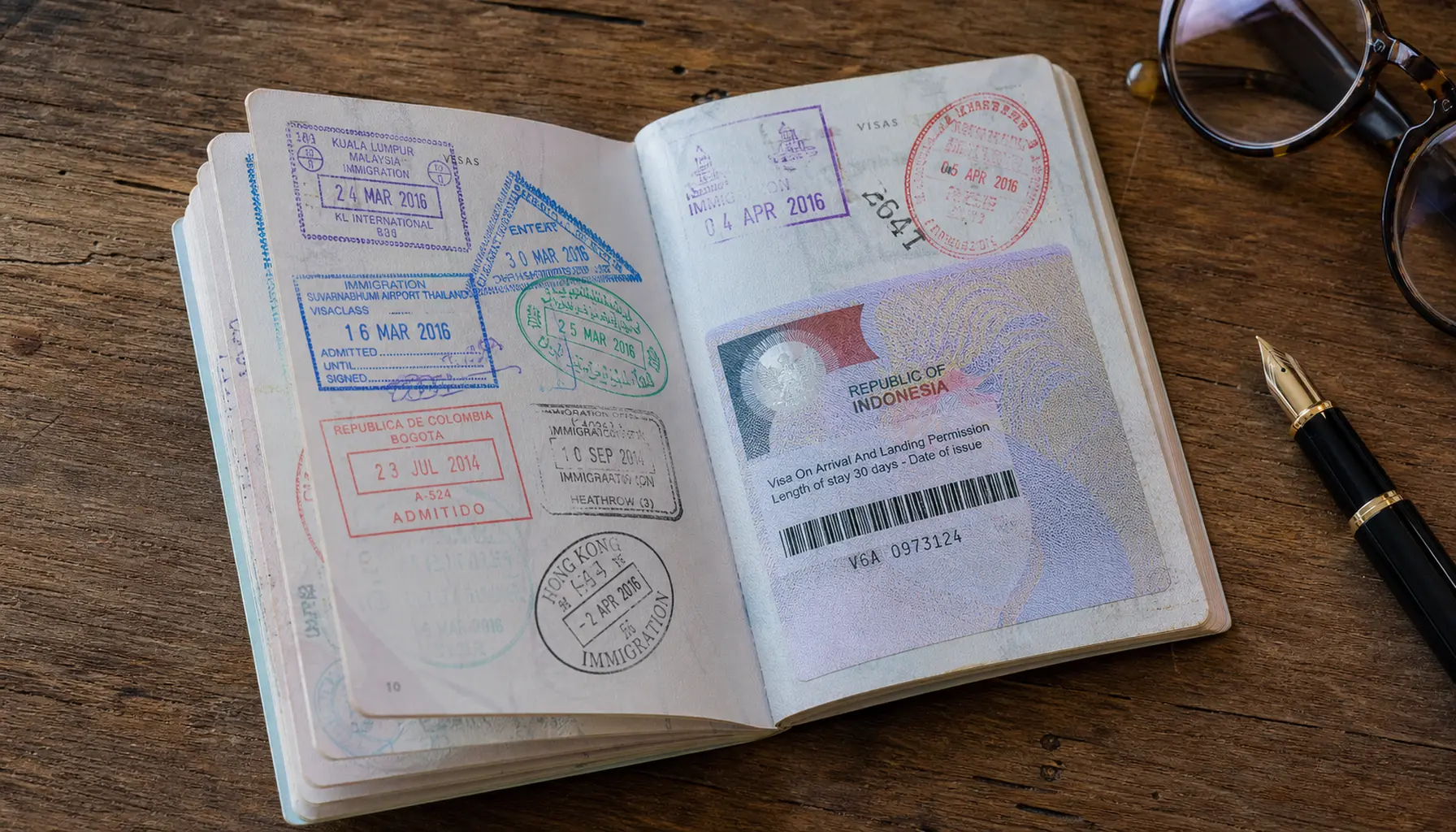
Last updated: June 2026.
Visa policy is the one part of trip planning where guessing wrong has consequences: a denied boarding at the gate, a queue at immigration, an overstay fine on the way out. Most tourist entry across the eight countries PacificAir covers is straightforward — several grant visa-free stays of a month or more, a couple ask for an inexpensive e-visa or visa on arrival, and almost all now require a free digital arrival card filed shortly before you land. The pages below give the practical detail a tourist actually needs: who needs a visa, where to apply, how long you can stay, and the reporting rules that apply once you are in.
Rules change, and several of these countries have rewritten their entry policies in the last two years. Thailand extended its visa exemption to sixty days and replaced the paper TM6 with a digital arrival card; Vietnam opened its e-visa to all nationalities and pushed the maximum stay to ninety days; arrival-card systems have appeared across the region. Treat the summary below as an orientation, then confirm with the official portal or the nearest embassy before you book the flight.
Visa Requirements at a Glance
Typical figures for common Western passports (US, UK, EU, Canada, Australia, New Zealand) entering for tourism. Your own nationality may differ — confirm on the official portal linked from each country guide.
| Country | Visa-free stay (typical Western passports) | Arrival card / e-visa | 2026 change to watch |
|---|---|---|---|
| Thailand | 60 days, visa-exempt | Thailand Digital Arrival Card (TDAC), filed online; free | Digital arrival card now mandatory; a tourist-entry fee has been discussed — confirm before travel |
| Vietnam | Varies; many get 45 days visa-exempt, otherwise e-visa | e-Visa (up to 90 days, single or multiple entry) via the official portal | e-visa open to all nationalities; check the latest stay length and unilateral-exemption list |
| Japan | Up to 90 days, visa-free | Visit Japan Web (online immigration & customs QR) — recommended, not mandatory | Departure tax rises from ¥1,000 to ¥3,000 from July 2026 |
| Cambodia | None — most need a visa | e-Visa (~US$30, 30 days) at evisa.gov.kh, or visa on arrival; e-Arrival card at arrival.gov.kh | Look-alike scam sites proliferate — use only the official .gov.kh portals |
| Indonesia | None for most — visa on arrival | VoA / e-VoA (IDR 500,000, 30 days) at molina.imigrasi.go.id; e-customs declaration at ecd.beacukai.go.id | Bali tourist levy (IDR 150,000) via Love Bali — keep the QR |
| Philippines | 30 days, visa-free | eTravel arrival registration (free, within 72 h before arrival) at etravel.gov.ph | Paid copycat eTravel sites — register only at the official etravel.gov.ph |
| Malaysia | Up to 90 days, visa-free | Malaysia Digital Arrival Card (MDAC) at imigresen-online.imi.gov.my/mdac; free | MDAC required for most arrivals — file within three days before entry |
| Taiwan | 90 days, visa-free (many Western passports) | Taiwan Arrival Card (TWAC), filed online | Online arrival card replacing the paper card — confirm whether it applies to your entry |
Malaysia and Taiwan do not yet have dedicated PacificAir visa pages; the figures above are an orientation only — confirm on each country’s official portal.
Country Guides
Full, country-by-country detail — visa-free terms, e-visa and visa-on-arrival routes, the mandatory arrival cards, extensions, and the official portals to apply through.
General Rules That Apply Everywhere
A few things are true across almost every country in the region and worth knowing before you start filling in forms.
- Six months passport validity. Most of these countries require your passport to be valid for at least six months from the date of entry, with one or two blank pages. Japan asks for validity covering your stay, but six months is the safe habit. Renew early if you are close.
- Onward or return ticket. Airlines are required to check that you have a way out of the country before they will board you. A bus or train ticket to a neighbouring country is sometimes accepted; a flight is safer.
- File the arrival card. Thailand (TDAC), Malaysia (MDAC), the Philippines (eTravel), Cambodia (e-Arrival), Indonesia (e-customs), and Taiwan (TWAC) all expect a digital form shortly before you land. They are free on the official portals — ignore third-party sites that charge for them.
- Proof of funds. Rarely actually checked, but officially required — roughly USD 500–700 per person for short stays. A recent bank-account screenshot has always been enough in practice.
- Address on arrival. Arrival forms ask where you are staying the first night. Have a hotel name and address ready — even a refundable first-night booking — before you queue.
- Don’t overstay. These countries fine per day and can ban repeat offenders. If your plans slip, extend before the visa expires, not after.
Travel Advisories
Before you book, check the official U.S. government guidance for your destination — country-by-country advisory levels (1–4), entry and visa requirements, passport services, and the STEP program that registers your trip with the nearest embassy.
See also: Itinerary Building for how to sequence visa runs across a longer trip.
One last note. Entry rules across these eight countries have been rewritten repeatedly since 2023, and figures here are an orientation, not a guarantee. If a forum post or printed guidebook contradicts what is on this page, the official portals linked from each country guide are the authority — check them last, just before you fly.