The Most Luxurious Hotels in Tokyo
Ryokan calm above the neon — the deepest luxury bench of any city on earth.
Tokyo hides its finest hotels in the sky: whole ryokan-inspired worlds of stone, washi paper and silence floating thirty floors above the world’s largest city. The 2020s added a new wave — Bulgari’s Italian tower, Aman’s social sister Janu in Azabudai Hills — and 2025 returned a legend, the renovated Park Hyatt of Lost in Translation fame. Service here operates on a plane other cities don’t reach; the only hard part is choosing your skyline.
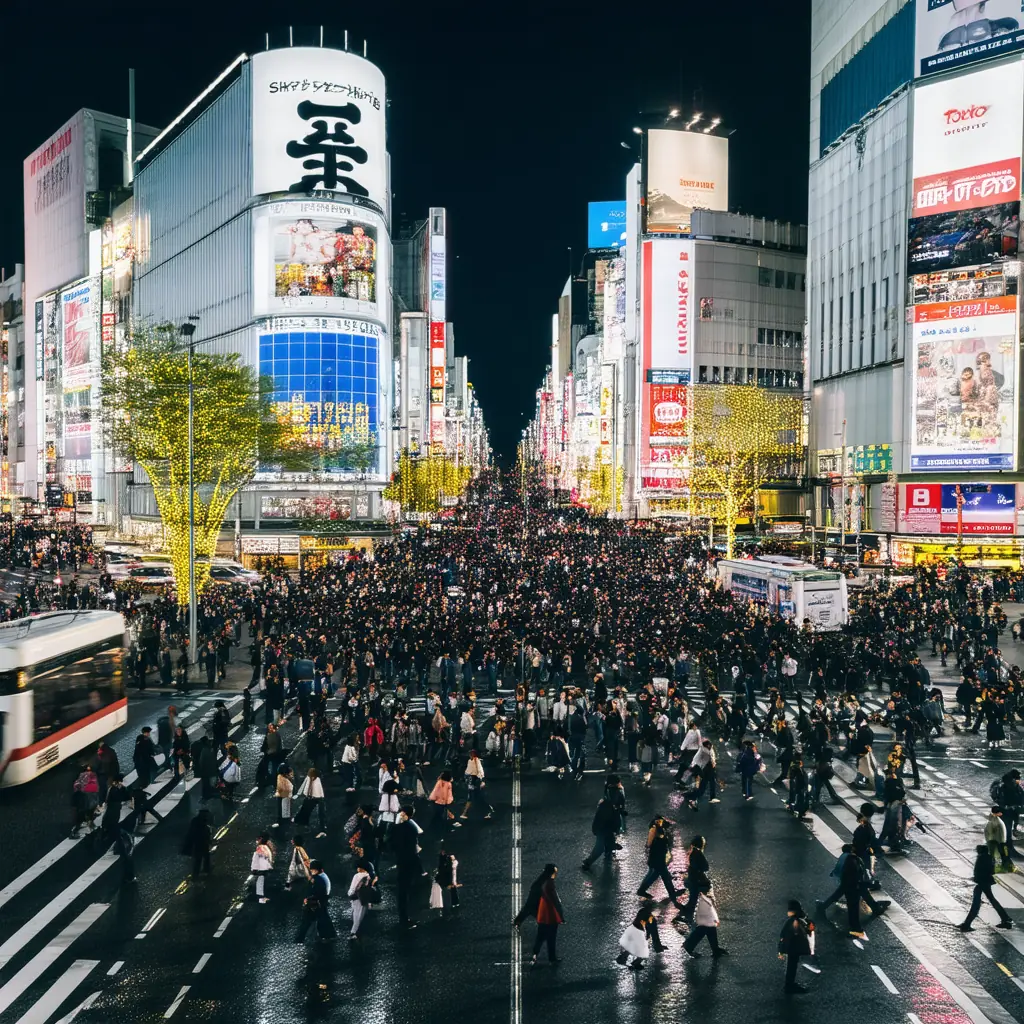
Which hotels made the list?
Eight properties, ranked. Five cluster around the Imperial Palace and Nihonbashi; the rest crown towers in Yaesu, Azabudai and Shinjuku. Every one treats arrival as theatre.
| Hotel | Where | Style | From* |
|---|---|---|---|
| Aman Tokyo | Otemachi | Ryokan in the sky | ~$1,300 |
| Bulgari Tokyo | Yaesu, by the station | Italian glamour | ~$1,000 |
| Janu Tokyo | Azabudai Hills | Aman’s social sister | ~$900 |
| Hoshinoya Tokyo | Otemachi | Vertical ryokan | ~$800 |
| Park Hyatt Tokyo | Shinjuku | The reborn icon | ~$750 |
| Four Seasons Otemachi | Otemachi | Palace-view glass | ~$750 |
| Mandarin Oriental | Nihonbashi | Sky grande dame | ~$650 |
| Palace Hotel Tokyo | Marunouchi, by the moat | Understated Japanese | ~$600 |
How much do they cost?
Tokyo is now Asia’s priciest hotel city: $600 opens the quietest doors and Aman starts around $1,300. The weak-yen years made suites relative bargains for dollar travelers — and cherry-blossom season devours availability a year out.
*Indicative low-season opening rates per night for two, before taxes, mid-2026. They move with demand — always check current prices.
When should you book?
Late March–April (sakura) and October–November (clear skies, foliage) are the twin peaks — book those months up to a year ahead at the marquee names. June brings the tsuyu rains, July–August is hot and humid, and winter is crisp, blue-skied and underrated.
Best time Fine Hot & humid Rainy season
The eight, in detail
1Aman Tokyo
30m lobby atriumBasalt onsen-style bathsPalace views
The most breathtaking hotel interior in Asia: a six-storey washi-and-stone atrium modeled on a giant lantern, floating over the Imperial Palace gardens. Rooms distill the ryokan — furo soaking tubs by the window, camphor wood, rice-paper light — at a scale no inn ever managed, and the black-granite spa pool facing Fuji at dawn is alone worth the rate.
Don’t miss: a dawn swim as Mount Fuji materialises beyond the skyline.
2Bulgari Hotel Tokyo
Opened 2023Il Ristorante Niko RomitoBulgari Dolci
Roman jeweler meets Japanese craft at the top of the Midtown Yaesu tower: saffron silks, Murano glass, a 25-metre mosaic pool, and windows that put the Shinkansen tracks and, on clear days, Fuji at your feet. Il Ristorante’s Michelin-starred Italian dining and the chocolate atelier make it as delicious as it is dazzling.
Don’t miss: an aperitivo at the Bulgari Bar as the bullet trains slide out below.
3Janu Tokyo
Opened 20244,000m² wellness floorEight restaurants
Aman’s new sister brand debuted here with a thesis: luxury that talks. Eight lively restaurants, a garden terrace scene, and one of the city’s largest spas — four thousand square metres of hydrotherapy, boxing ring included — beneath the Azabudai Hills super-development and its Mori JP Tower. Younger and warmer than its serene big sibling, with Tokyo Tower filling the windows.
Don’t miss: Tokyo Tower turning gold at dusk from the garden terrace.
4Hoshinoya Tokyo
Tatami floors throughoutRooftop onsenShoes off at the door
A true ryokan built as a seventeen-storey tower: shoes off at the entrance, tatami underfoot in every corridor, six-room “floors” run like private inns with their own lounge and ochanoma tea salon. On the roof, a genuine onsen — hot-spring water drawn from 1,500 metres beneath the business district — steams open to the sky between the towers.
Don’t miss: the open-air rooftop onsen at night, skyscraper lights above the steam.
5Park Hyatt Tokyo
Reopened 2025New York BarLost in Translation
The hotel that taught the world what a Tokyo sky-hotel could be, back from a top-to-bottom renewal: the library lounges, the pool under the glass pyramid, and the New York Bar’s jazz-and-skyline ritual all polished for a new era while keeping the 1994 soul intact. Still the city’s most romantic perch above the Shinjuku lights.
Don’t miss: a whisky at the New York Bar as the first jazz set begins.
6Four Seasons Hotel Tokyo at Otemachi
Palace panoramasest — Michelin FrenchSky spa pool
The glassiest of the palace-side perches: floor-to-ceiling views straight across the Imperial gardens toward Fuji, a spa pool that seems to spill into the skyline, and est, its Michelin-starred French dining room, among the city’s hardest tables. Slightly softer and more contemporary than Aman next door — and meaningfully kinder in price.
Don’t miss: sunset laps in the 39th-floor pool facing the palace forest.
7Mandarin Oriental Tokyo
Michelin constellationSkyline spaCraft-woven interiors
Twenty years at the top of Nihonbashi and still the connoisseur’s choice: interiors woven on a “forest and water” theme by Japanese artisans, a spa whose treatment rooms hang over the city grid, and a restaurant floor that has collected Michelin stars for two decades — the Tapas Molecular Bar’s eight-seat theatre above the skyline remains one of Tokyo’s great dining tickets.
Don’t miss: the corner Mandarin Grill window table at blue hour.
8Palace Hotel Tokyo
Moat-side terracesJapanese-ownedEvian spa
The homegrown counterpoint to the international flags: a Japanese-owned house directly on the Imperial Palace moat, where balconied rooms — rare in Tokyo — open to swan glides and running water. The sensibility is quietly perfect rather than spectacular: ikebana in the lobby, one of the city’s best sushi counters, service that anticipates in Japanese fashion. Locals’ pick, tellingly.
Don’t miss: breakfast on a moat-side balcony as the palace runners lap below.
Know before you book
- Sakura math: late-March rates double and suites vanish 9–12 months out — book first, plan later.
- District logic: Otemachi/Marunouchi is polished and palace-quiet; Shinjuku is neon and energy; Azabudai/Toranomon is the new dining axis.
- Taxes add up: Japan quotes often exclude 10% consumption tax, service and city tax — expect ~25% over the base rate.
- Pair with Hakone: the classic add-on is an onsen ryokan night — see Gora Kadan in our Japan picks and the Fuji & Hakone guide.
← Back to Hotels · Japan destinations · Japan maps
Where to stay on any budget
Tokyo runs the best cheap accommodation on earth: $30–$45 gets a spotless capsule or a design-hostel bunk in Shinjuku, Shibuya or Kagurazaka, with a subway entrance downstairs and a konbini next door. The value sits in the $80–$150 business-hotel band around Ginza, Shibuya and Shiodome, where rooms are compact but immaculate and standing sixty seconds from a Yamanote or Ginza-line gate beats square metres every time. Past roughly $250 you stop paying for comfort you already had and start paying for altitude — a fortieth floor, a palace moat, Fuji on a clear morning — which is exactly what the towers above are selling.
Backpacker
Under $50 / night- Book and Bed Tokyo ShinjukuShinjuku · bunks tucked inside the bookshelves, high above the neon.
- UNPLAN KagurazakaKagurazaka · the design-hostel original, on the quiet slope behind Iidabashi.
- Wise Owl Hostels ShibuyaShibuya · concrete-and-brass bunks and a basement bar, walkable to the Crossing.
- Sakura Hostel AsakusaAsakusa · a long-running old-town standby on the Ginza line.
Best for — first trips, with the budget going to dinner and the rail pass.
Mid-Range
$50–$150 / night- Hotel Gracery ShinjukuKabukicho · the Godzilla-head tower, minutes from Shinjuku station.
- Mitsui Garden Hotel Ginza PremierGinza · a sixteenth-floor sky lobby over the bay for business-hotel money.
- Shibuya Tokyu REI HotelShibuya · dependable rooms right on the Crossing, above the station exits.
- Hotel Villa Fontaine Grand Tokyo-ShiodomeShiodome · unusually large rooms beside the Yurikamome to Odaiba.
Best for — a station at the door and nothing wasted on the room.
Upscale
$150–$500 / night- Hyatt Centric Ginza TokyoGinza · sharp, modern rooms in the middle of the flagship-store grid.
- Mesm Tokyo, Autograph CollectionTakeshiba · waterfront glass with the bay and Tokyo Tower in one window.
- Cerulean Tower Tokyu HotelShibuya · a proper skyline tower with a jazz club in the basement.
- Keio Plaza Hotel TokyoNishi-Shinjuku · the original skyscraper hotel, still a bargain for the view.
Best for — a real skyline room without the marquee surcharge.
Luxury
$500+ / night- Palace Hotel TokyoMarunouchi · the friendliest rate on our list above, and the natural first step into this tier.
- The Peninsula TokyoMarunouchi · Hibiya Park below, a rooftop bar upstairs, the station across the road.
- The Ritz-Carlton TokyoRoppongi · the top nine floors of Midtown Tower, Fuji dead ahead on clear days.
- The Tokyo EDITION ToranomonToranomon · Ian Schrager’s green-lobby tower and the city’s best-looking cocktail floor.
Best for — occasion stays; the eight above are the next step up.
*Indicative low-season opening rates for two, before taxes, mid-2026. They move sharply with demand — always check current prices.