Hué

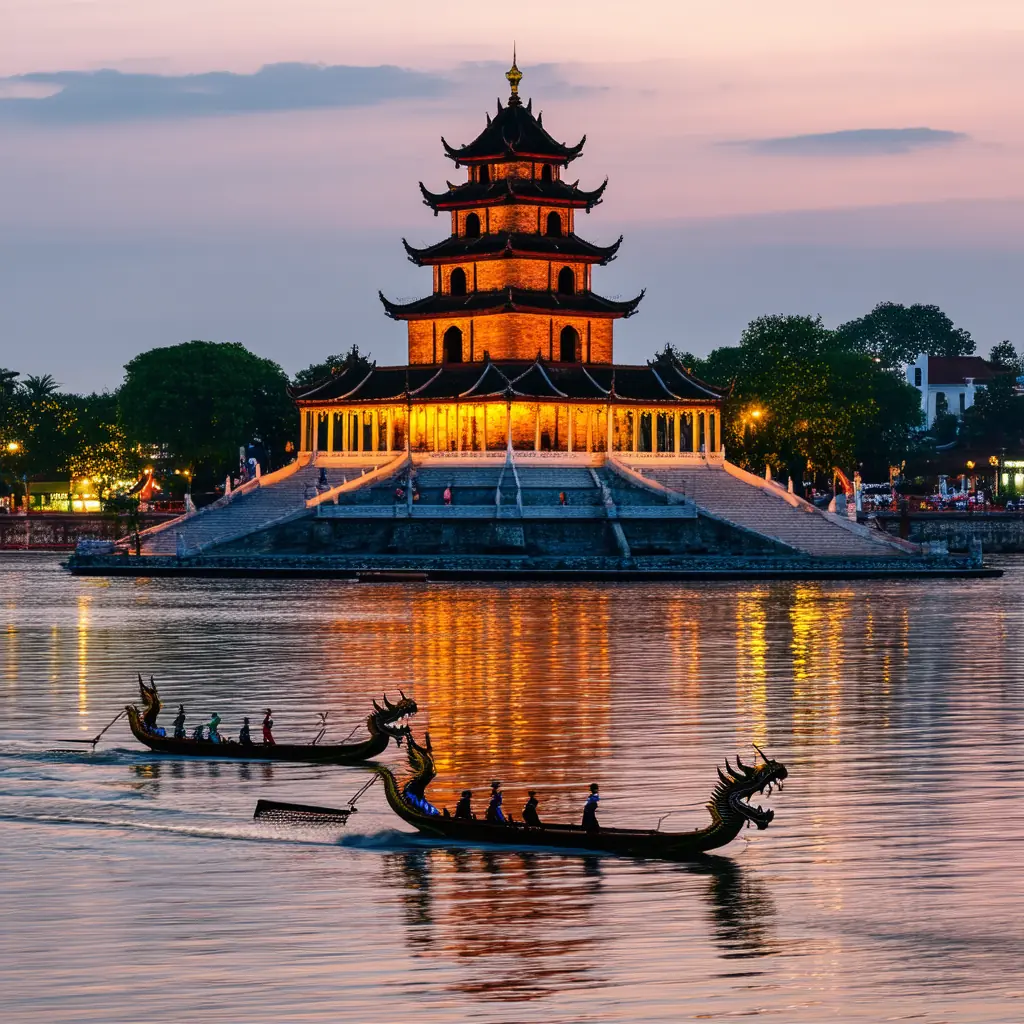
Hué was the imperial capital of the Nguyen dynasty from 1802 to 1945, and the bones of that empire still sit along the Perfume River. The walled Citadel and the inner Forbidden Purple City take a half-day to wander, with the ornate Ngo Mon Gate as the postcard view. Upstream, the royal tombs of Tu Duc, Minh Mang, and the syncretic Khai Dinh sit among pine forest and lotus ponds, each one a separate boat or motorbike ride. The seven-tiered Thien Mu Pagoda — founded in 1601 — is the city’s emblem. Eat bun bo Hue, the spicy beef-and-lemongrass noodle soup that originated here, and pace yourself: central Vietnam’s summer humidity is real.
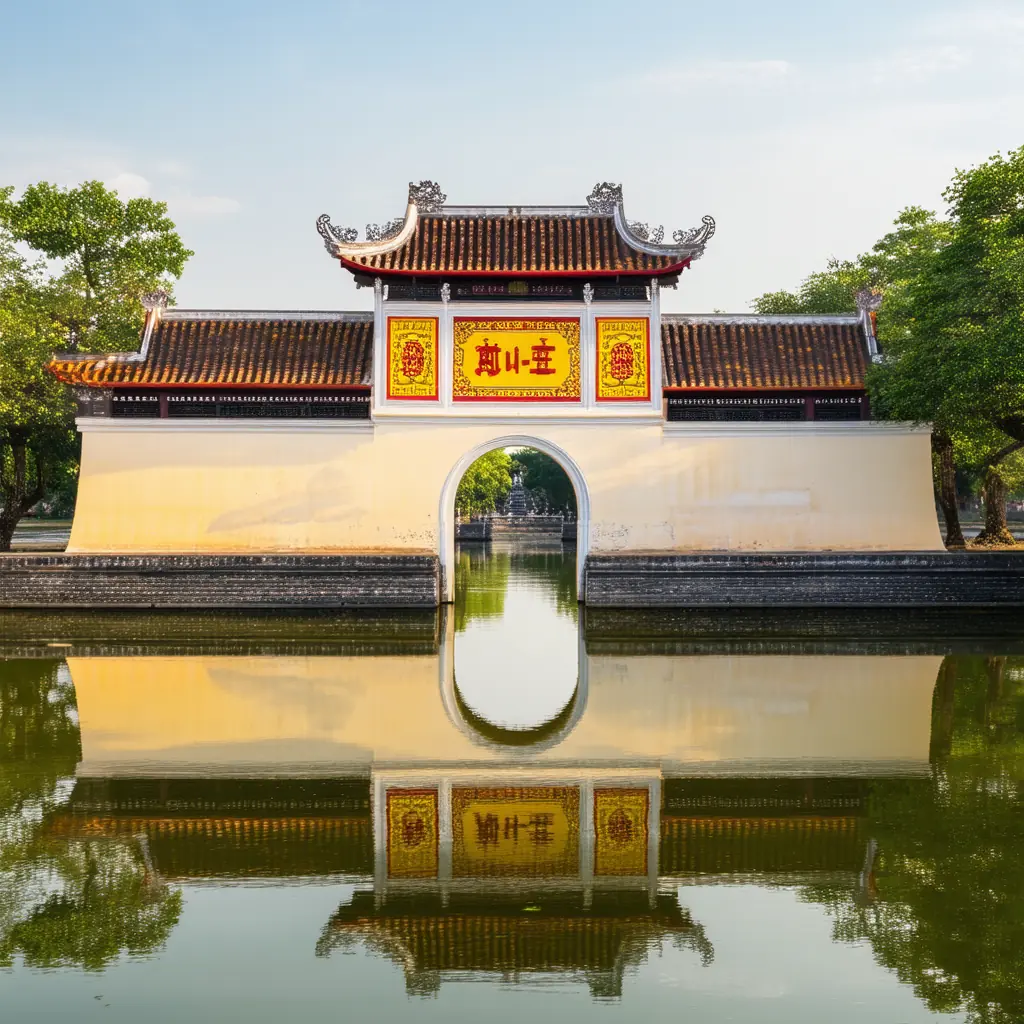
Hue Imperial City with the ornate Ngo Mon Gate of the Citadel reflected in a still moat, yellow and red imperial banners flying above traditional Nguyen dynasty architecture in soft morning light
Imperial City and Ngo Mon Gate.
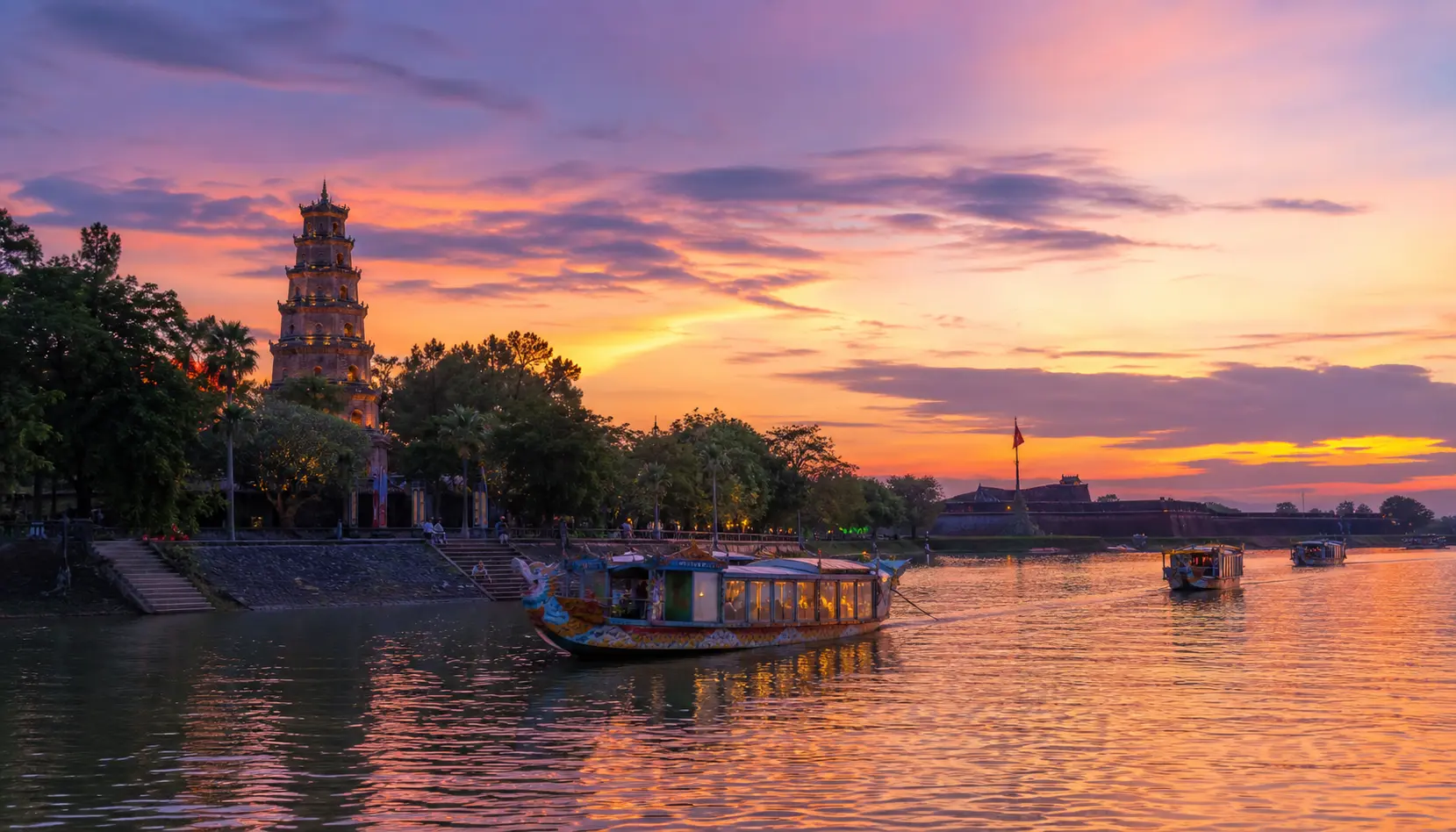
Thien Mu Pagoda at dusk with the seven-tiered octagonal brick tower rising above the Perfume River, dragon boats drifting on the water in warm sunset light
Thien Mu Pagoda at dusk.
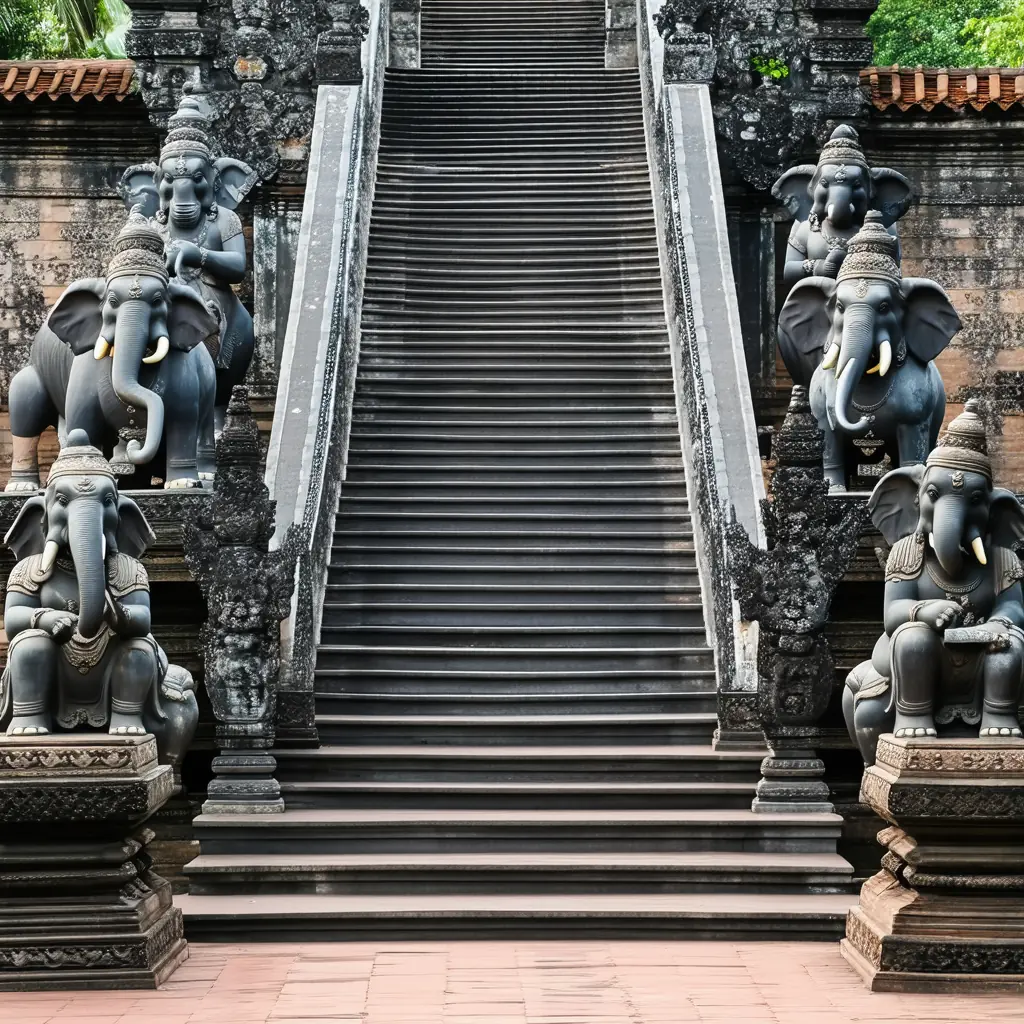
Khai Dinh Royal Tomb with an ornate gray stone staircase guarded by rows of carved mandarin and elephant statues, dramatic blackened concrete facades blending Eastern and European styles in afternoon light
Khai Dinh Royal Tomb.
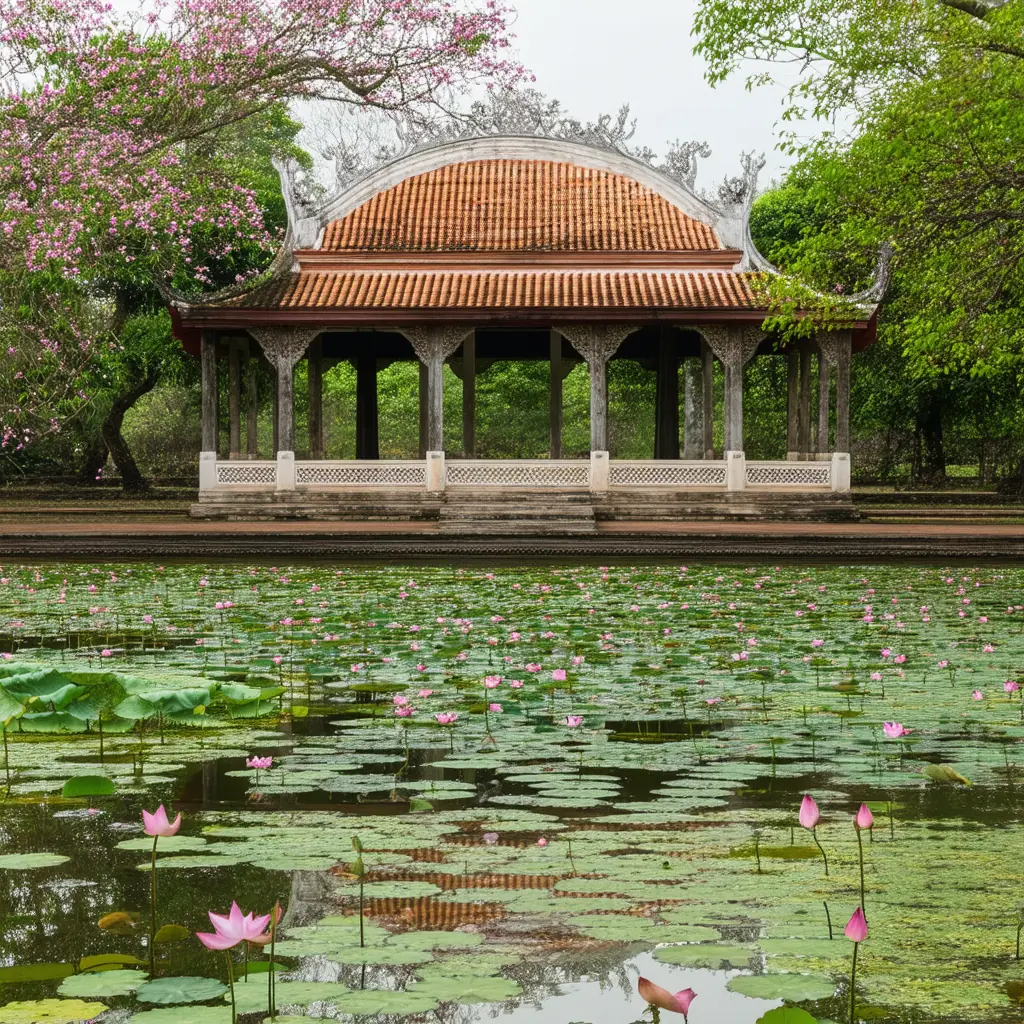
Tu Duc tomb pavilion, a traditional wooden royal pavilion reflected in a tranquil lotus pond, weathered red-tiled curved roof and frangipani trees in bloom under soft overcast light
Tu Duc tomb pavilion.

← Back to Vietnam · All Destinations