Tokyo
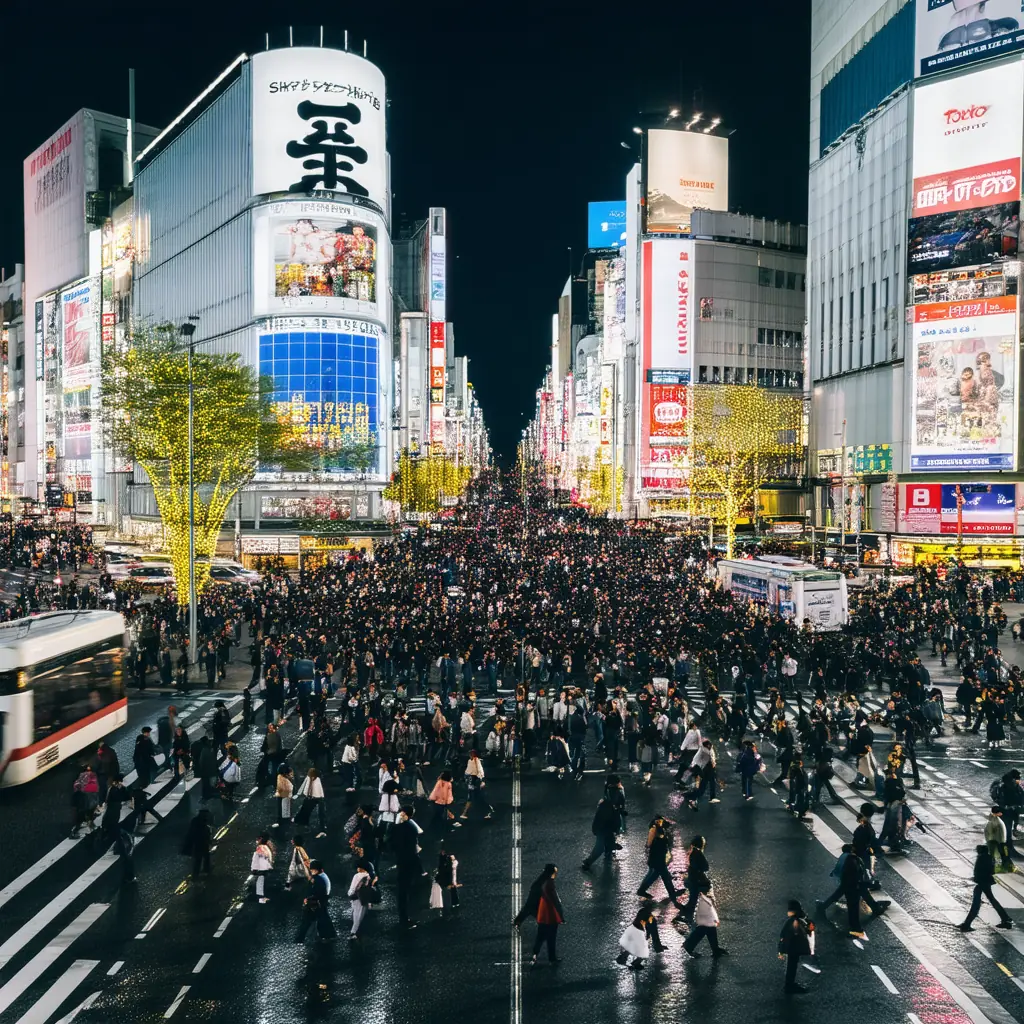
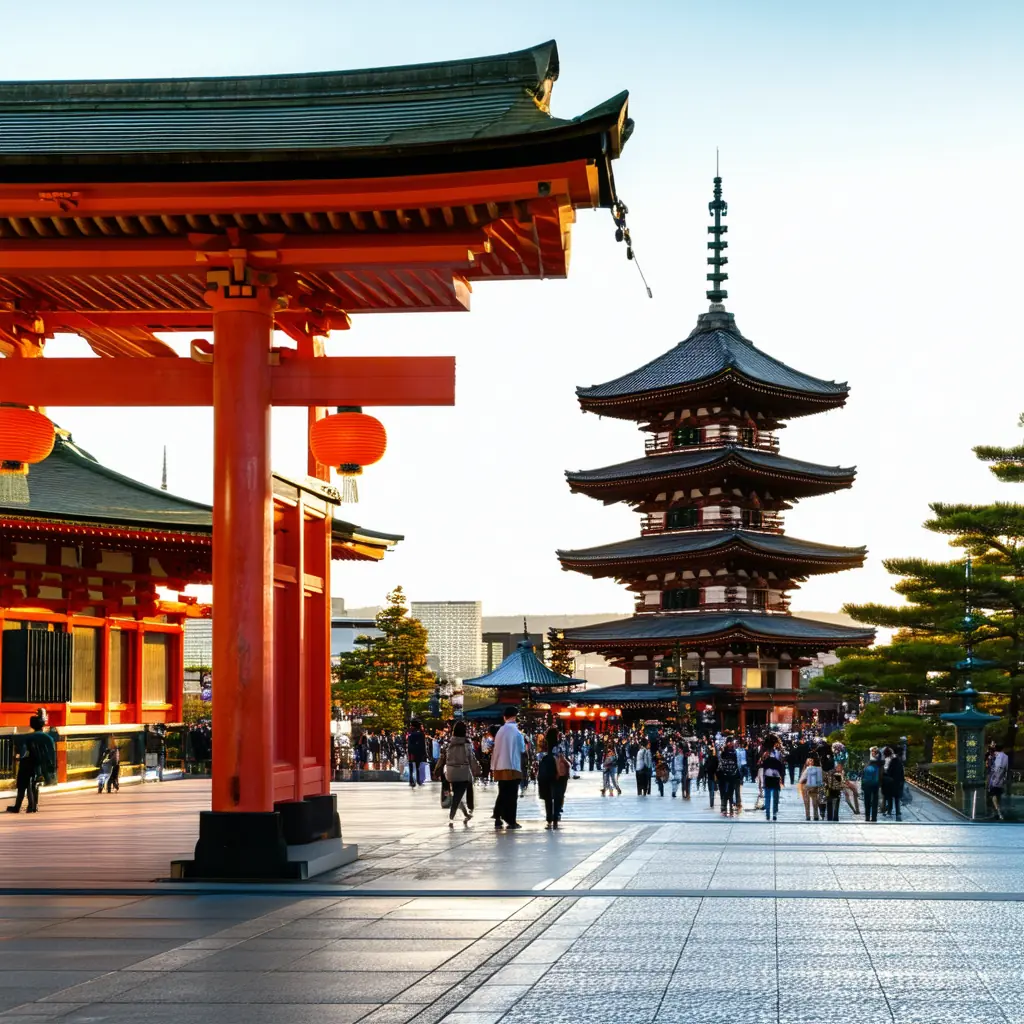
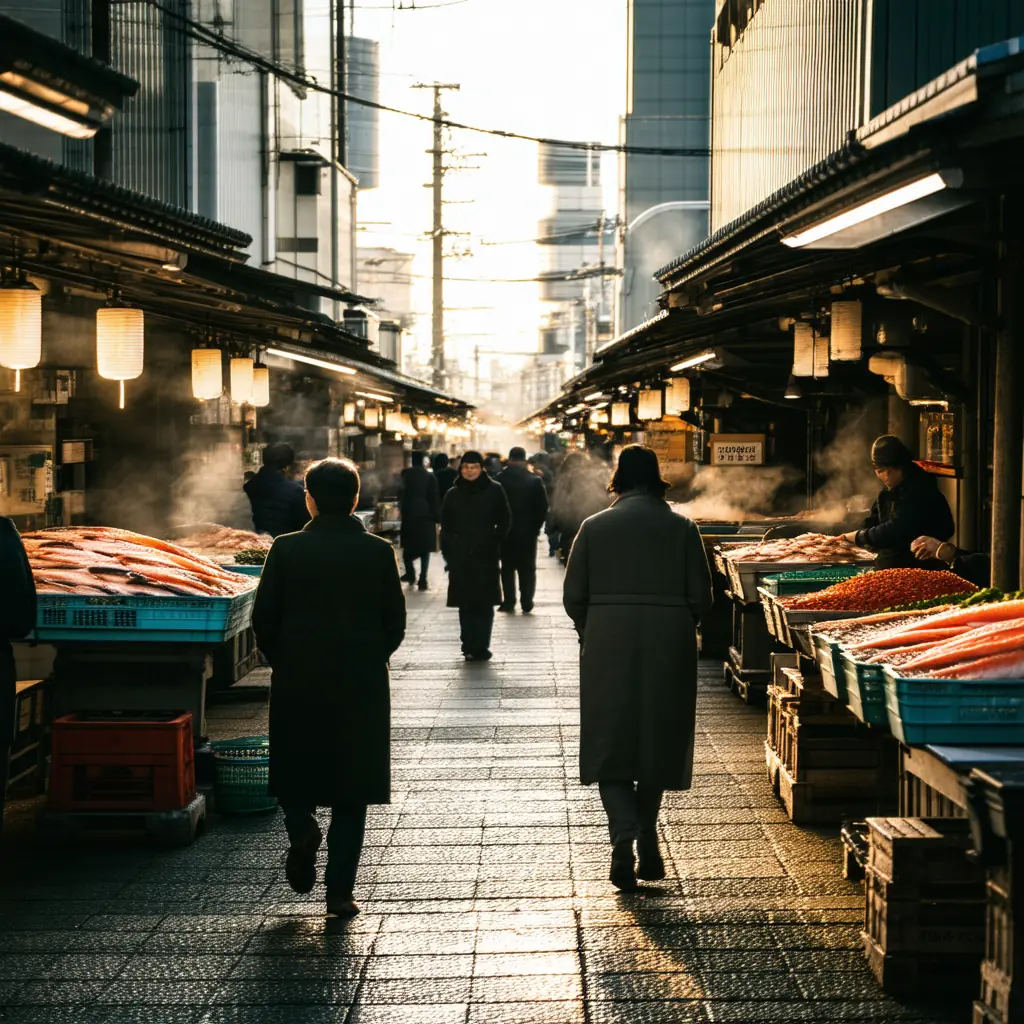
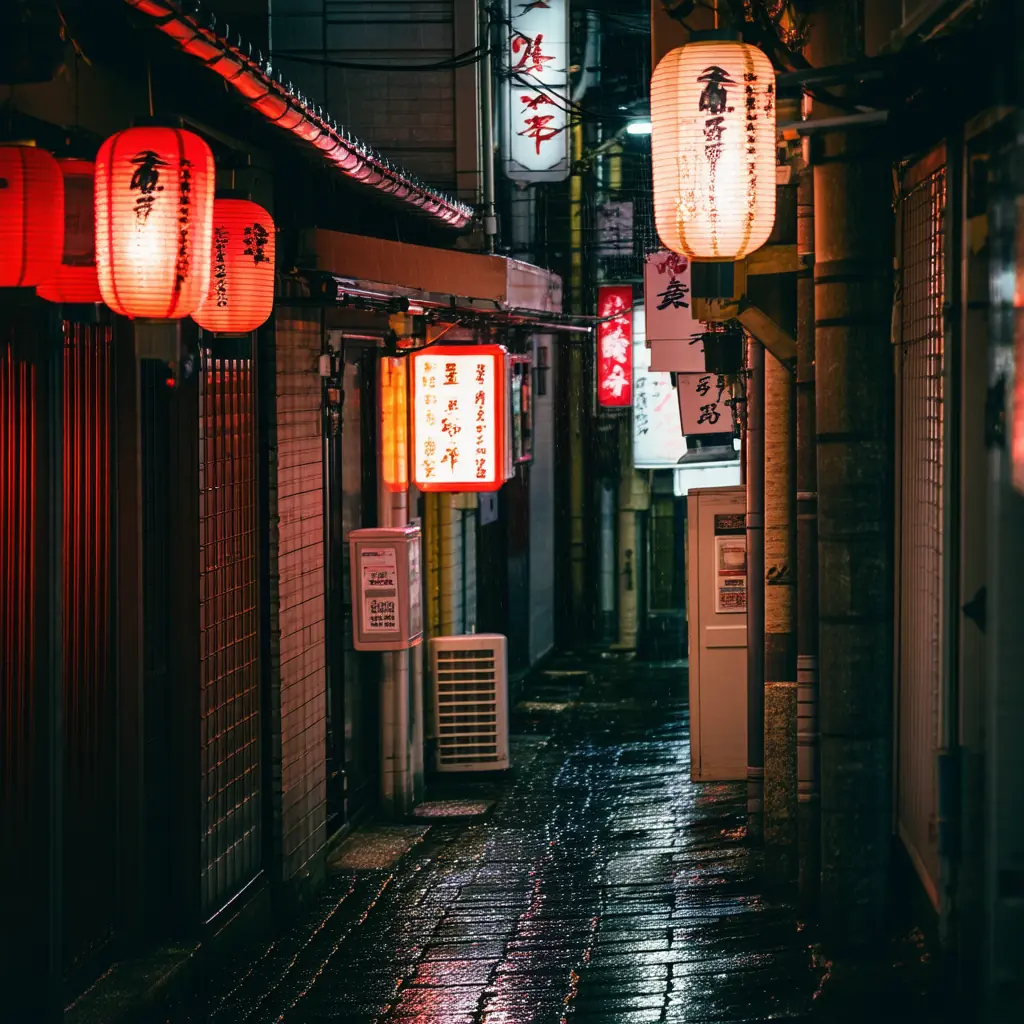
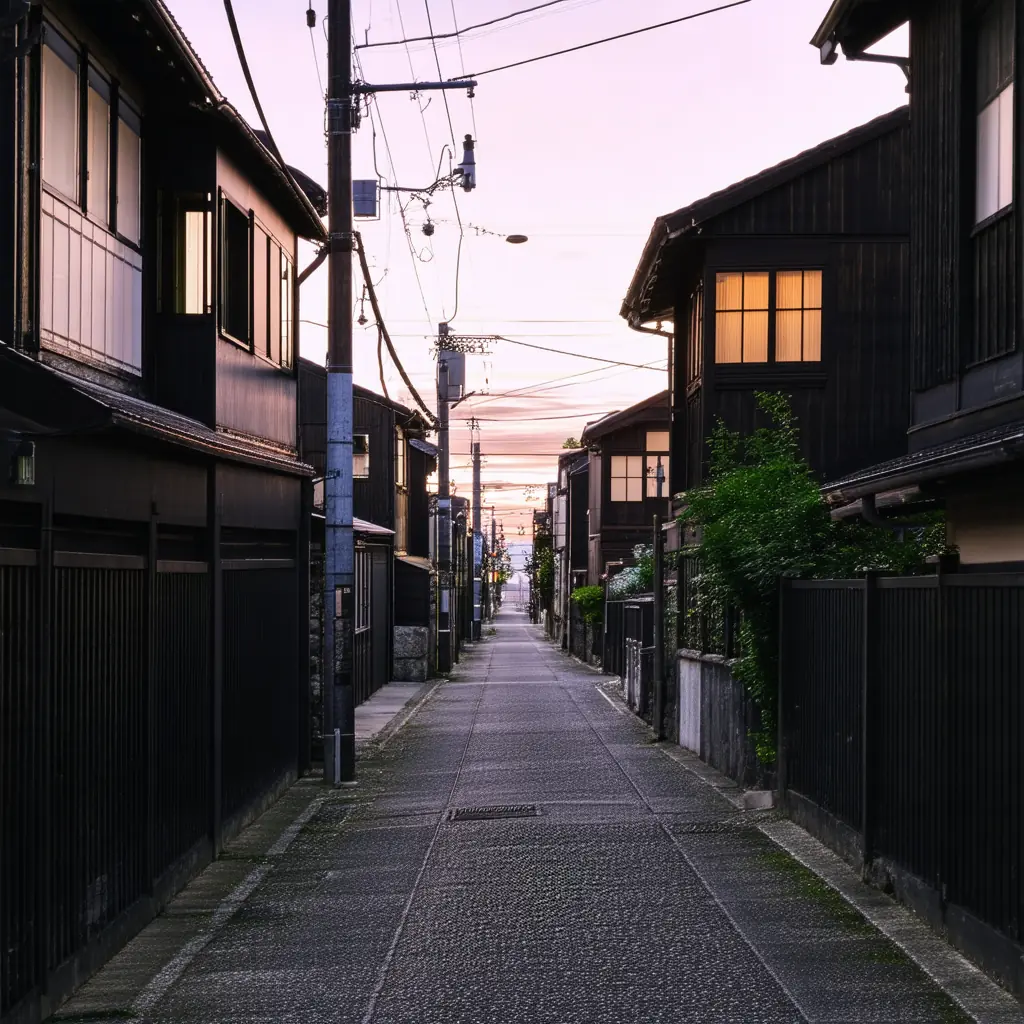
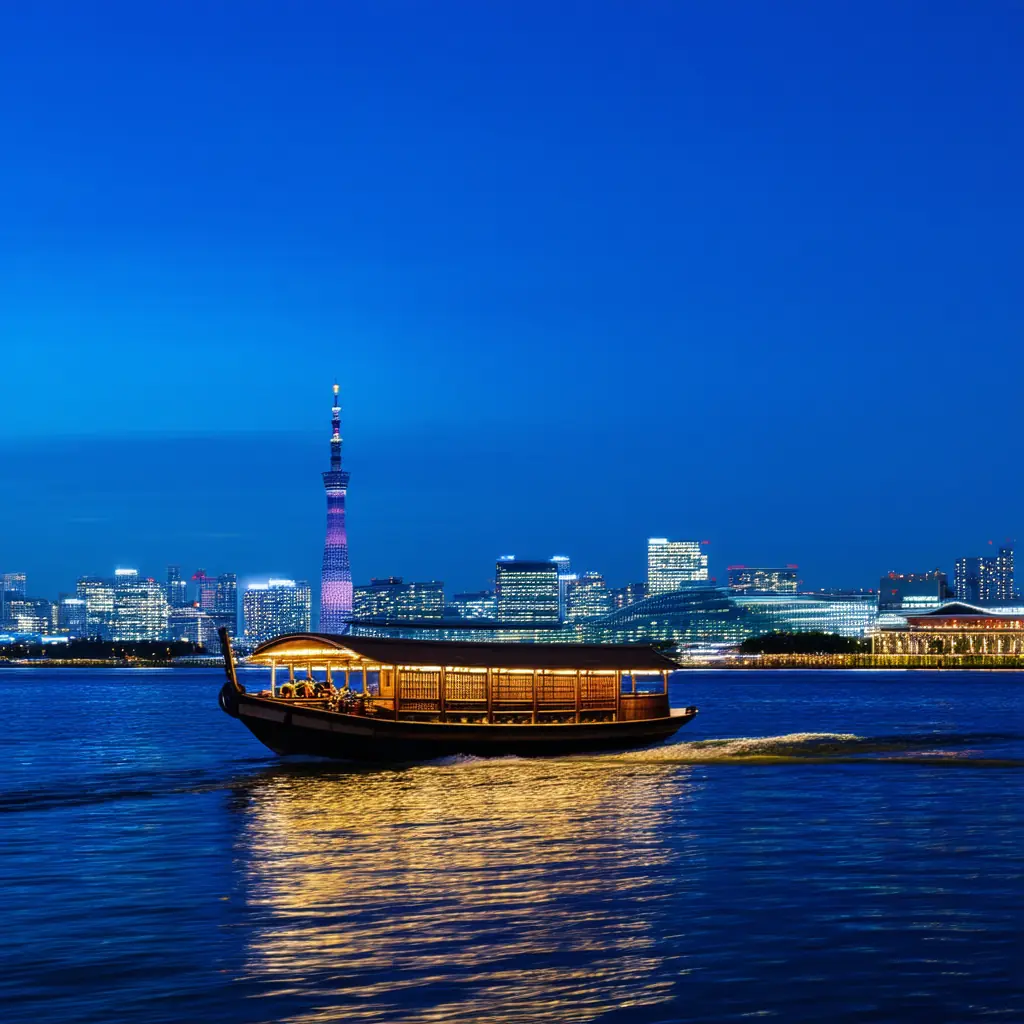
The world’s largest metropolitan area is also one of its quietest, in the sense that thirty-seven million people manage to live and move through it without much shouting. Shibuya and Shinjuku are the famous neon districts; Asakusa is the older Tokyo of Senso-ji temple and the Sumida river; Yanaka and Kagurazaka are the residential pockets where the late-Meiji wood houses survived the war. Tsukiji Outer Market for breakfast, an art museum in Roppongi for the afternoon, and a small bar in Golden Gai at midnight is a complete Tokyo day.
Getting around: Tokyo runs on rails. Our interactive Tokyo train map animates the JR Yamanote loop and the key metro lines at once — press play and tap any station to see its interchanges.
Where to stay: The most luxurious hotels in Tokyo →