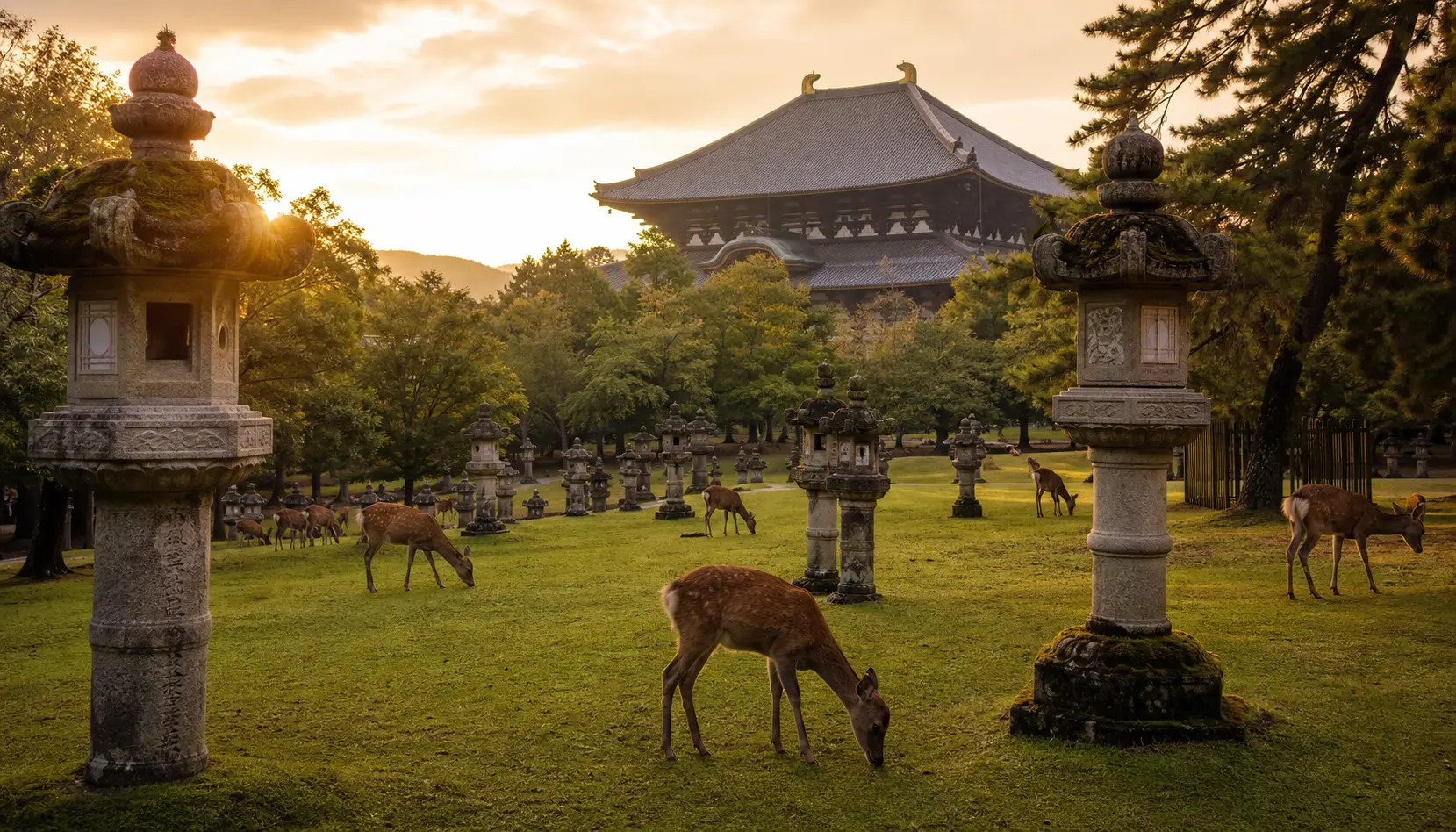
Nara

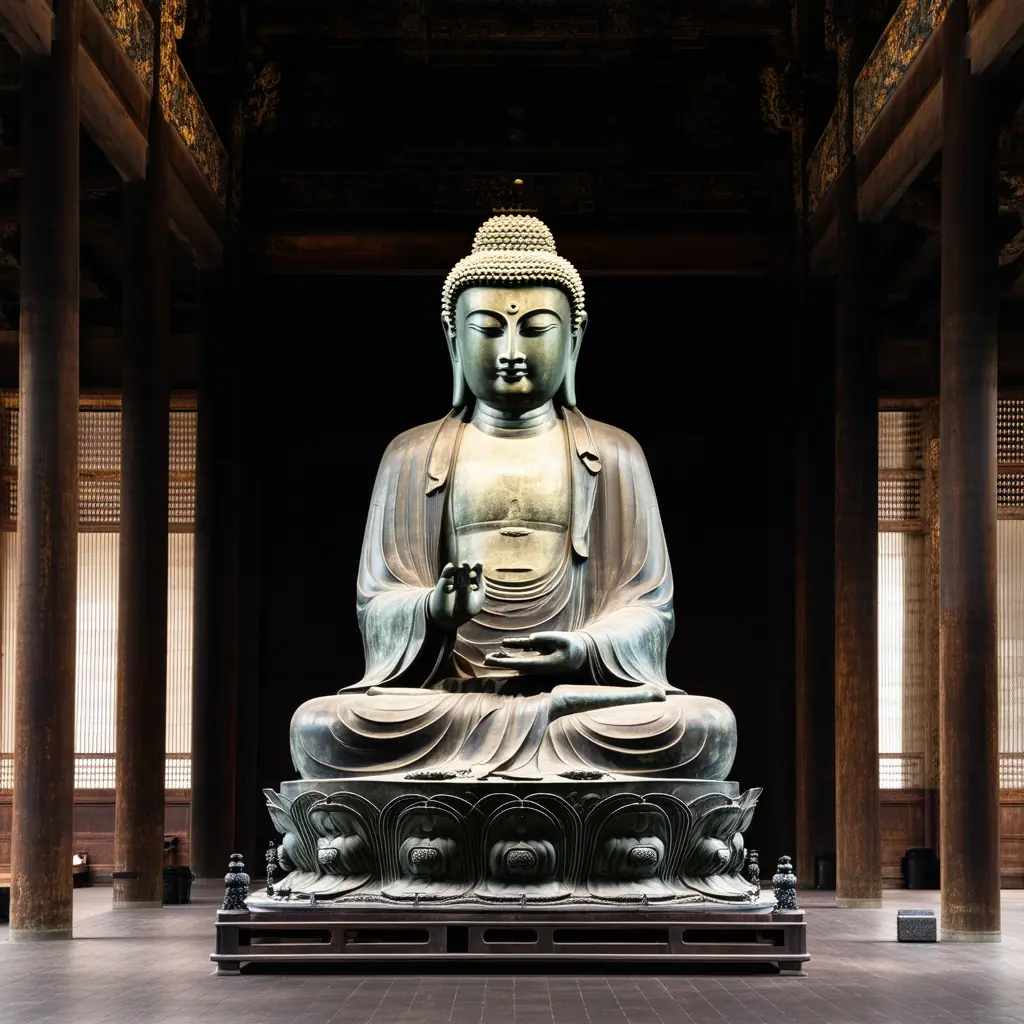
A short train ride from Kyoto, Nara was Japan’s first permanent capital before Kyoto took over, and the city still feels like a smaller, slower version of it. The two reasons most travellers come are Todai-ji (a wooden hall containing a fifteen-metre bronze Buddha, one of the largest statues in the world) and the eight hundred semi-tame sika deer that wander the surrounding park and bow politely for crackers. Half a day is enough; an early start lets you walk through the deer park before the morning trains arrive.
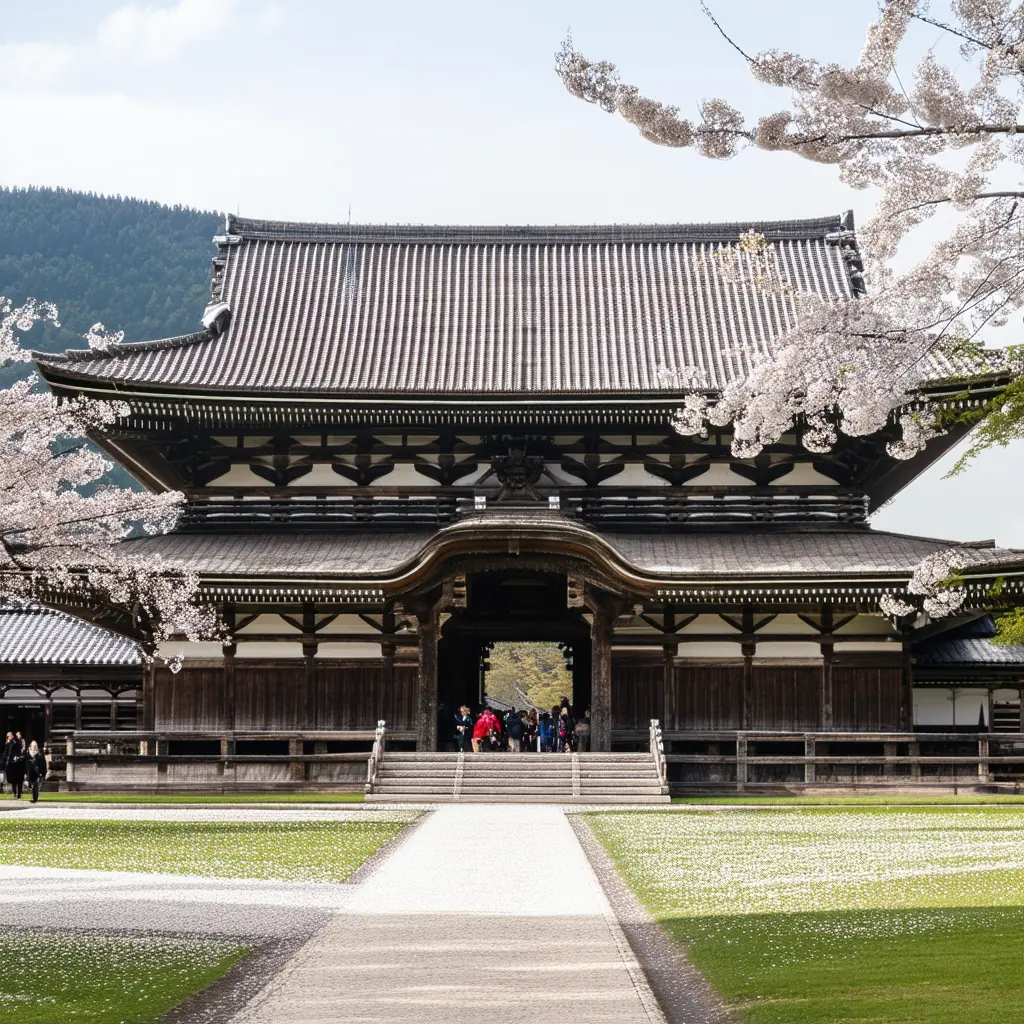
The massive timber temple of Todai-ji great wooden hall in spring with sweeping curved roofs, cherry blossoms in the foreground, soft morning light
Todai-ji in spring.
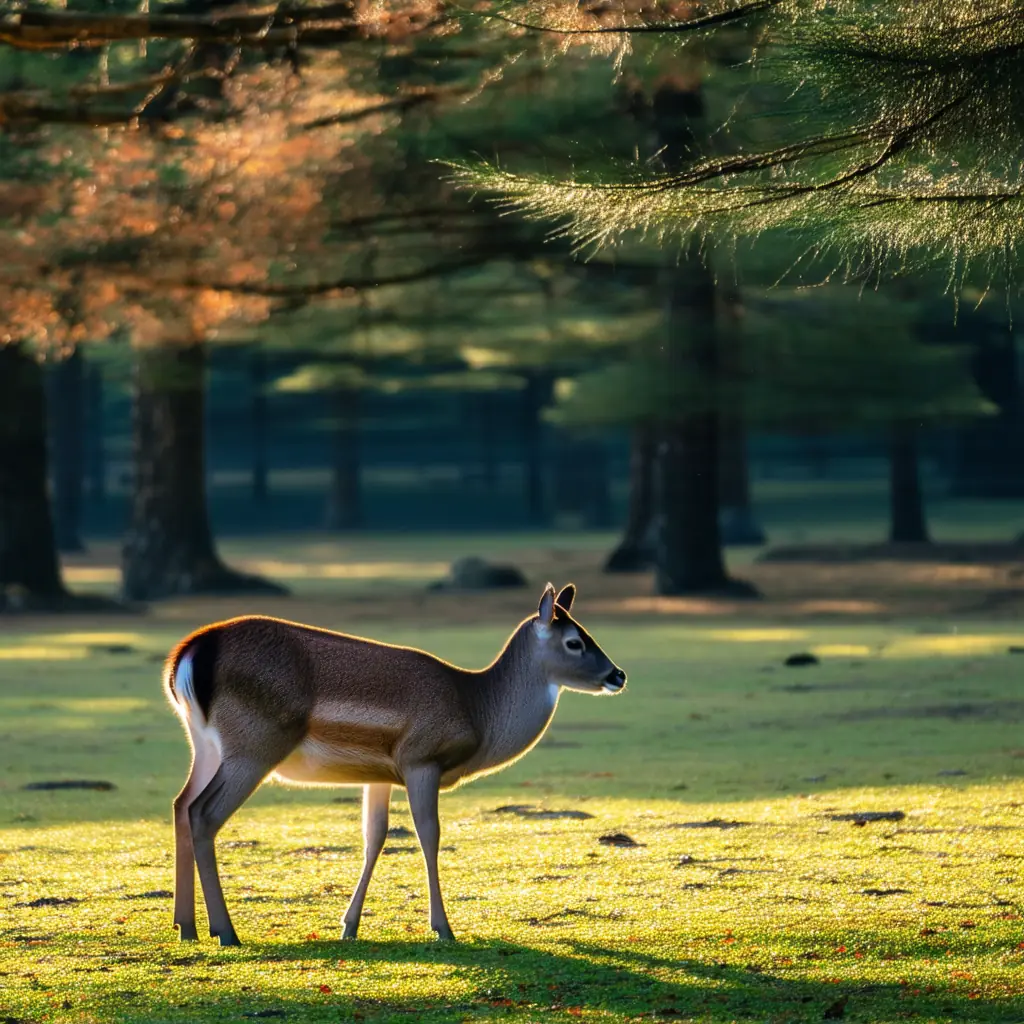
Gentle sika deer grazing on autumn grass in Nara Park at sunrise, soft golden mist between the trees
Sika deer in Nara Park at sunrise.
The fifteen-meter seated bronze Great Buddha inside Todai-ji, dimly lit from above with an ornate temple interior, sense of vast scale
Great Bronze Buddha, Todai-ji.
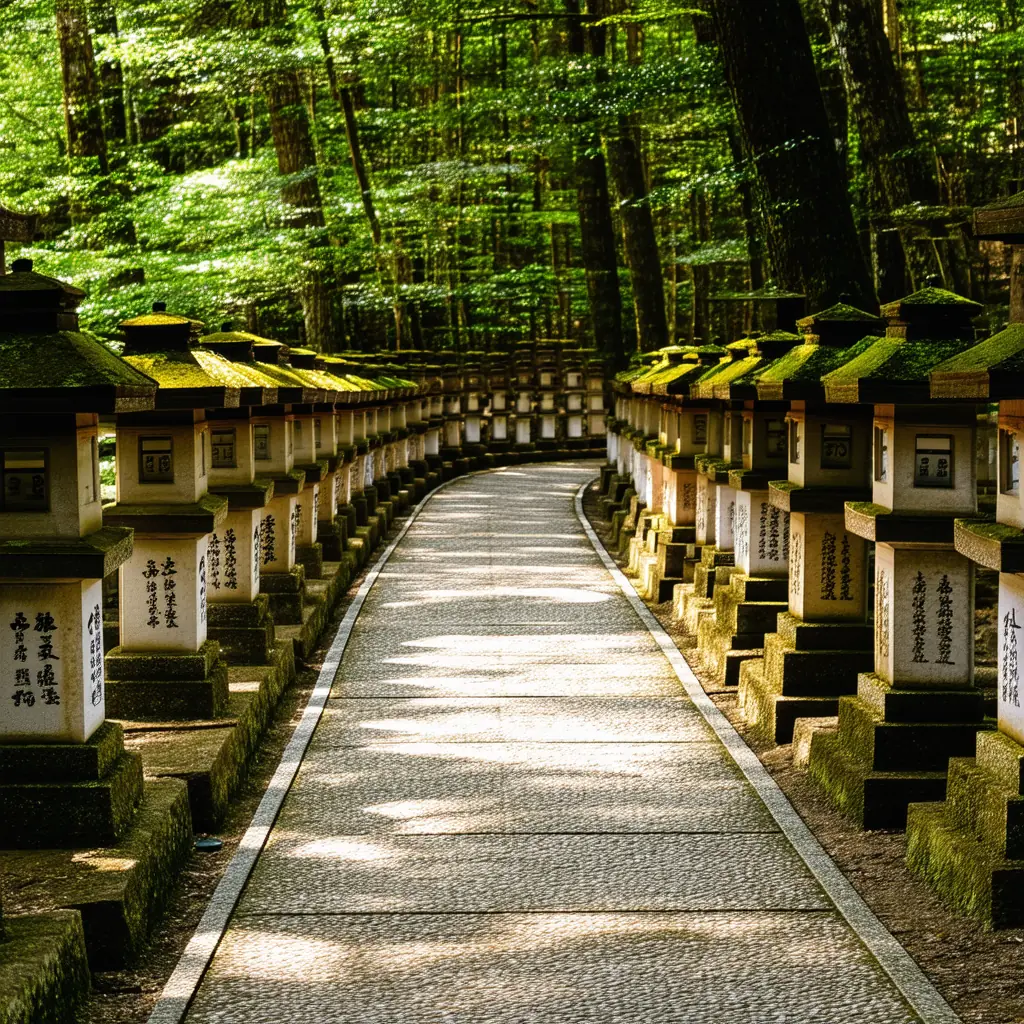
Hundreds of moss-covered stone lanterns lining a forest walkway at Kasuga Taisha shrine, dappled morning sunlight, no people
Kasuga Taisha lantern path.
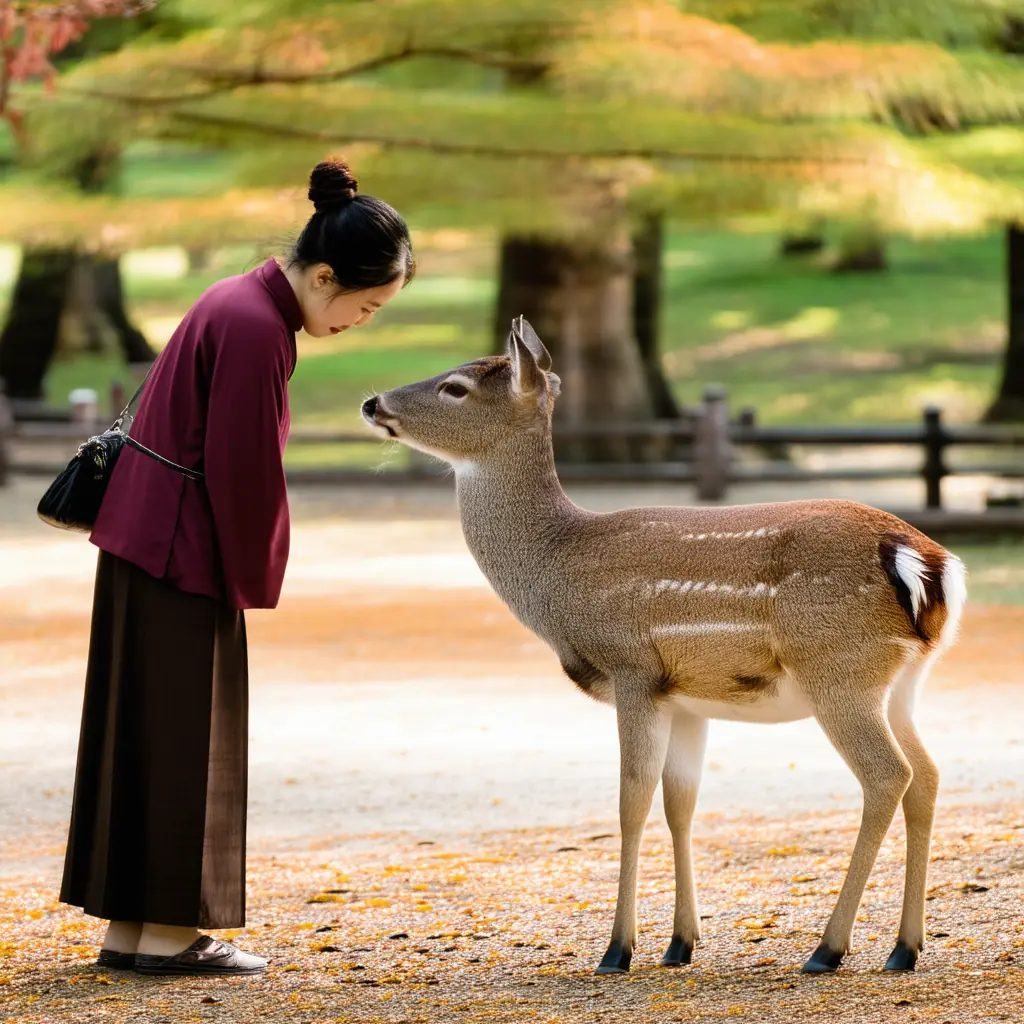
A visitor bowing to a sika deer in Nara Park, the deer politely bowing back for a cracker, autumn maples in the background
A polite exchange in Nara Park.
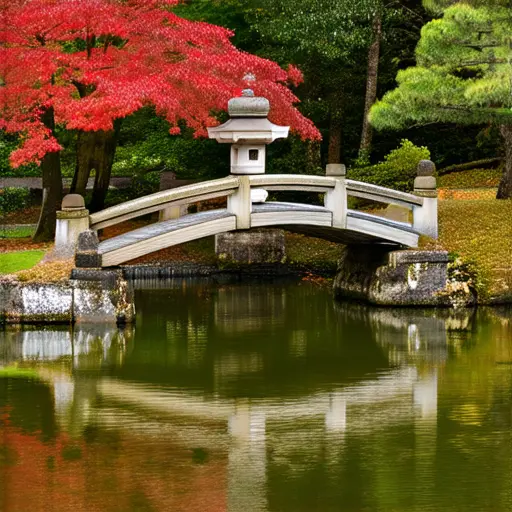
Yoshikien Garden in autumn, Nara, a traditional Japanese pond garden with red and gold maples reflecting in still water, a stone lantern and an arched wooden bridge under soft overcast light
Yoshikien Garden in autumn.

← Back to Japan · All Destinations