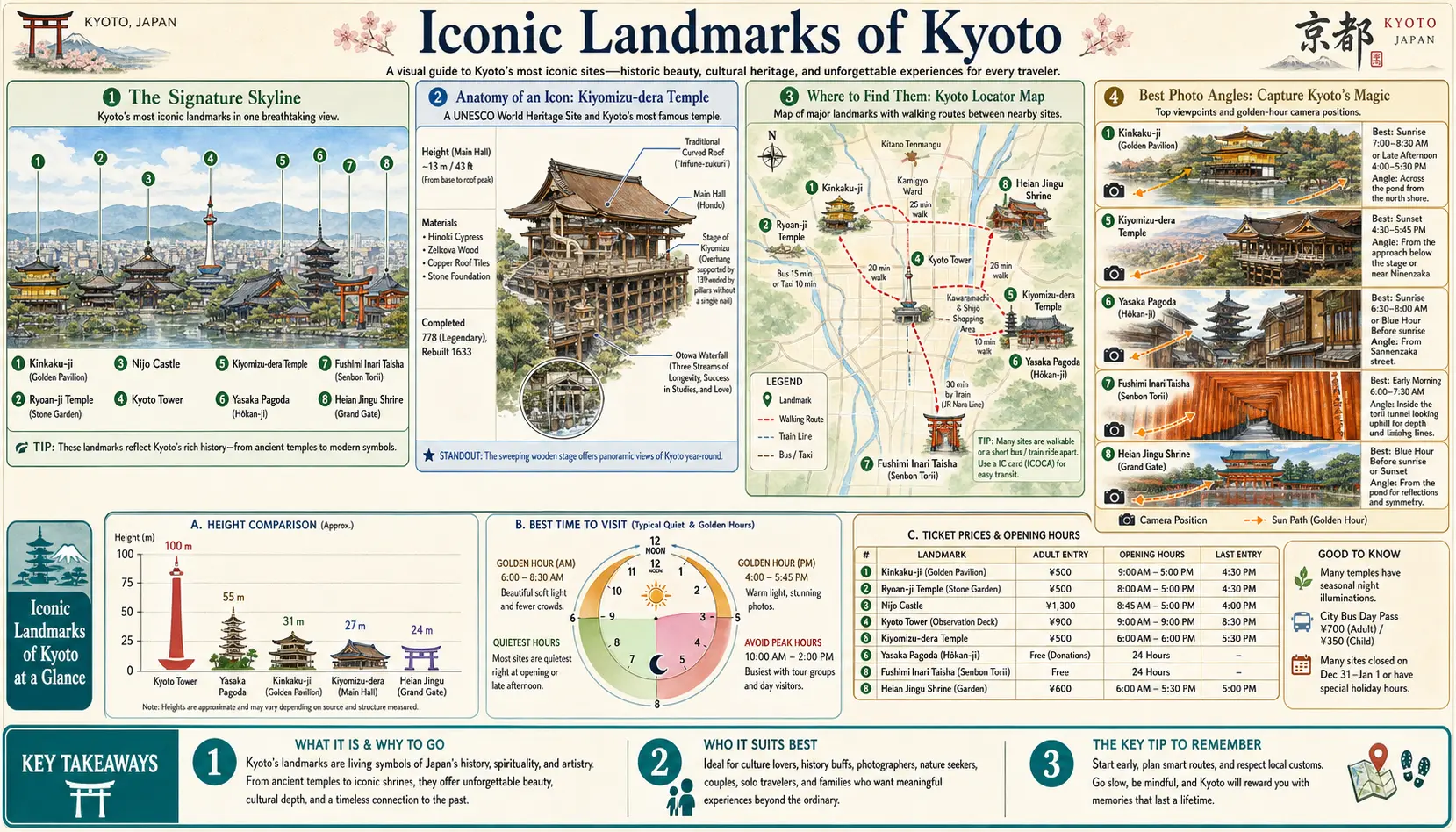
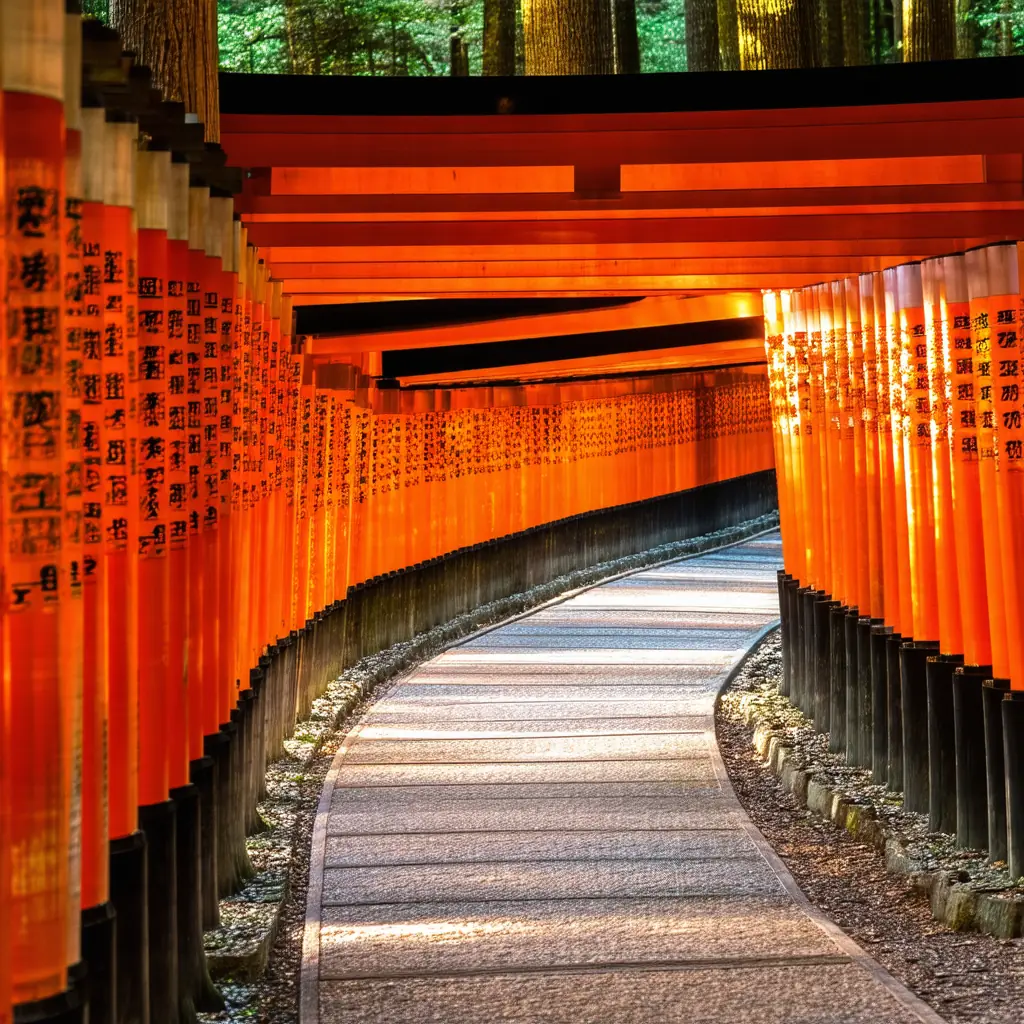
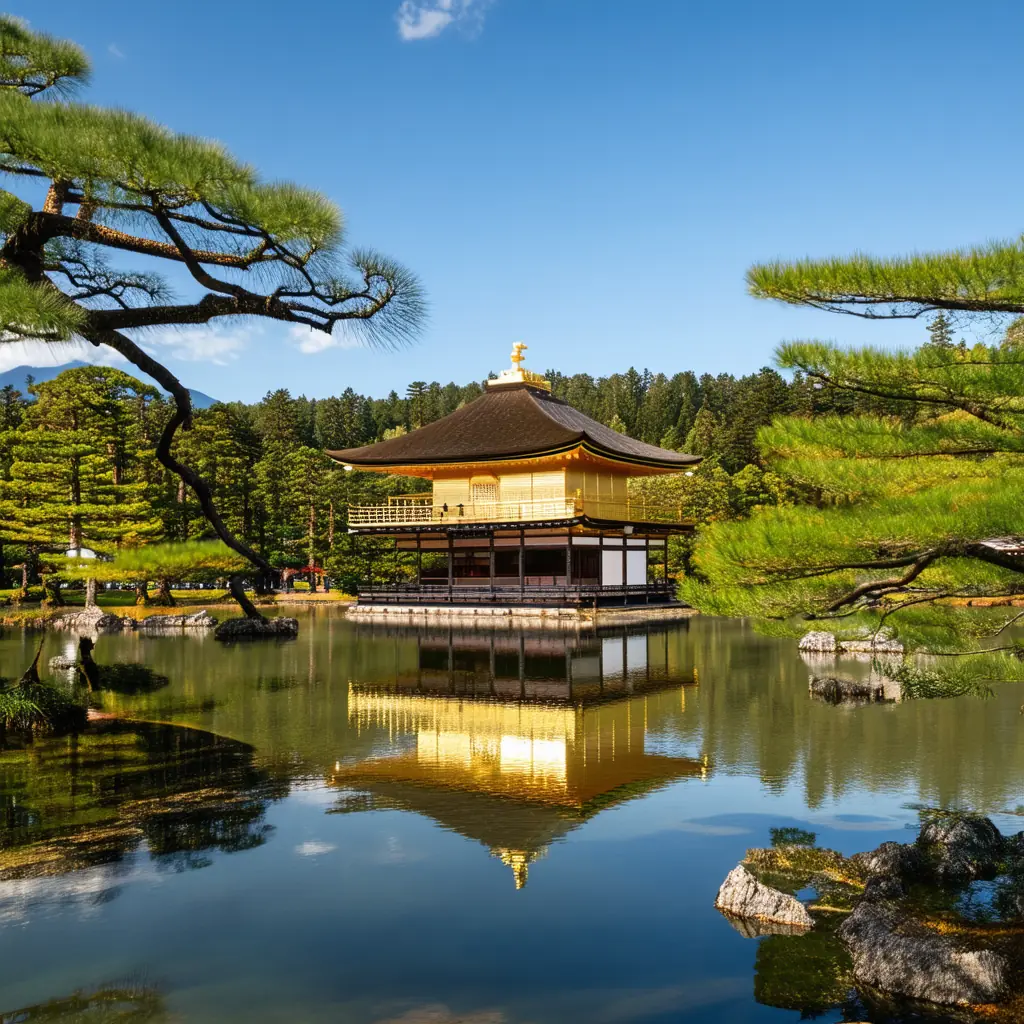
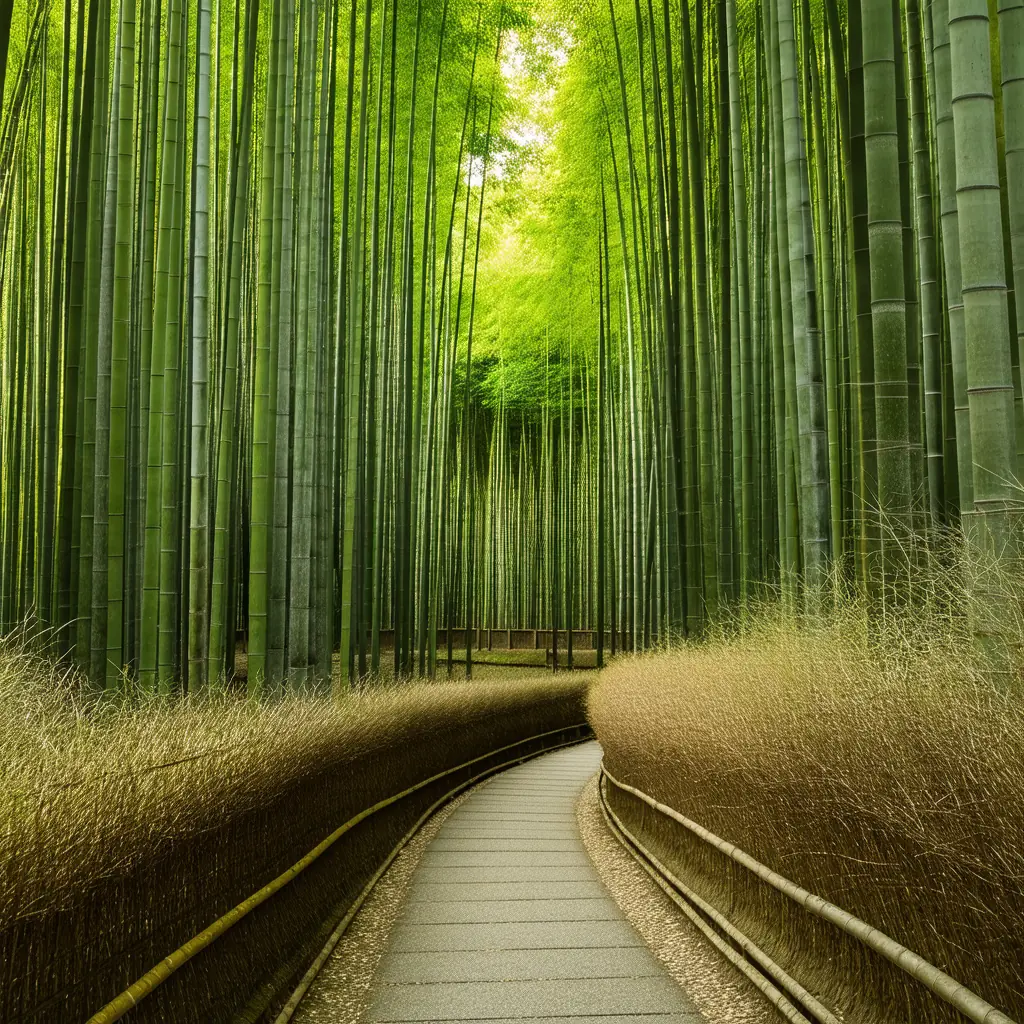
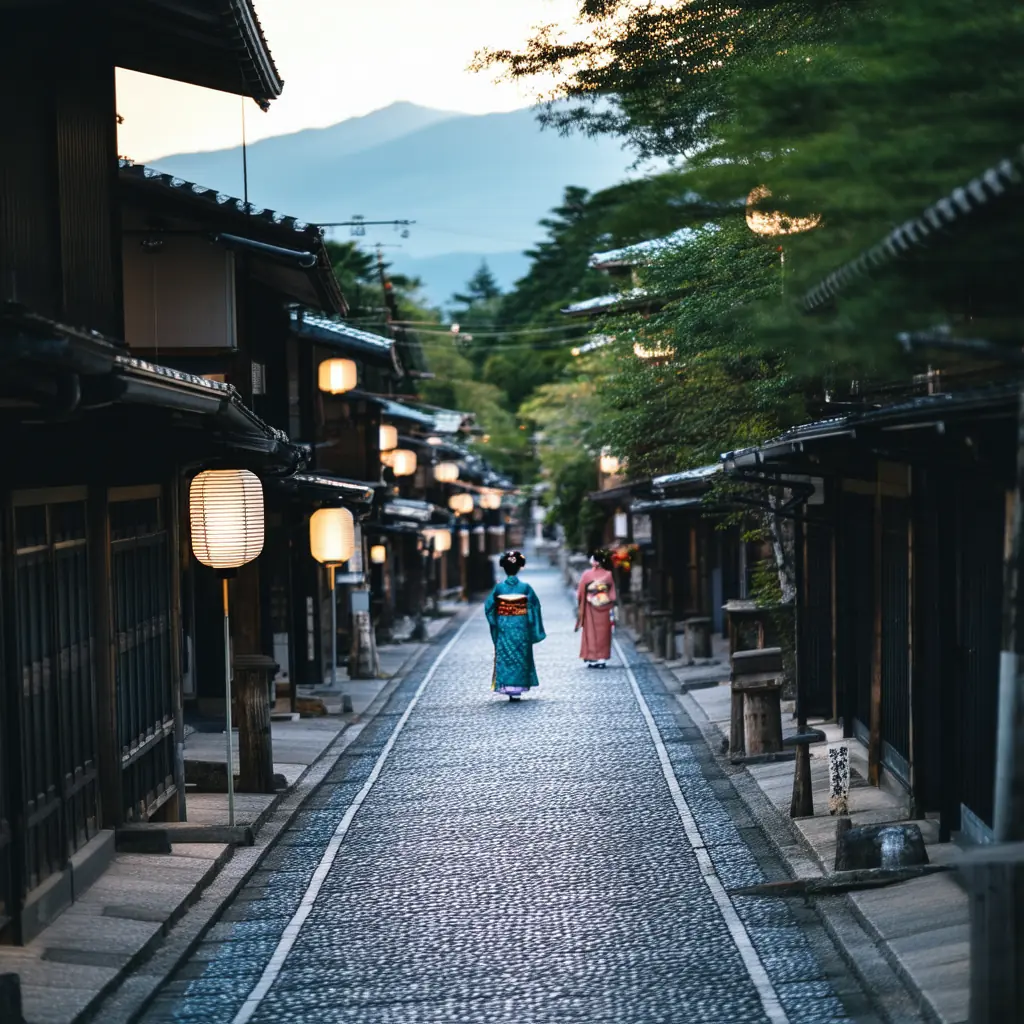
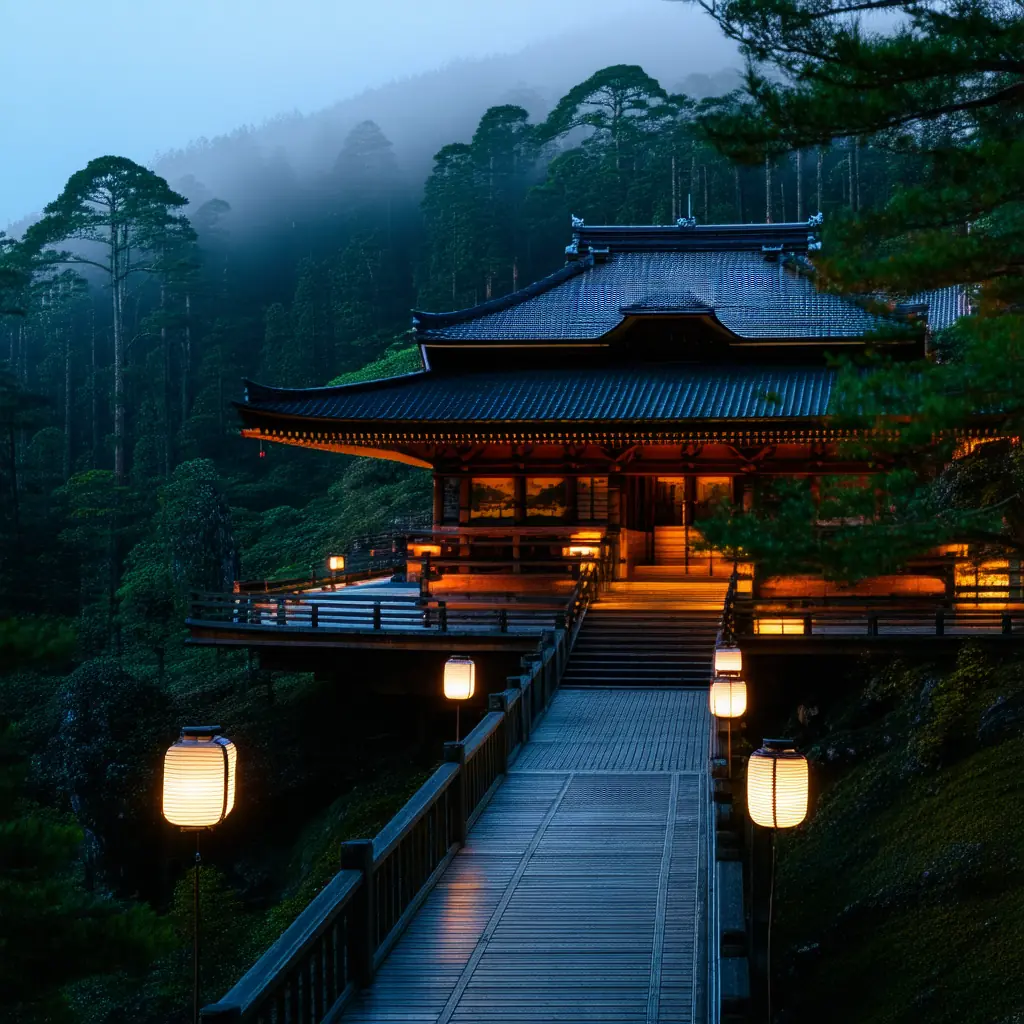
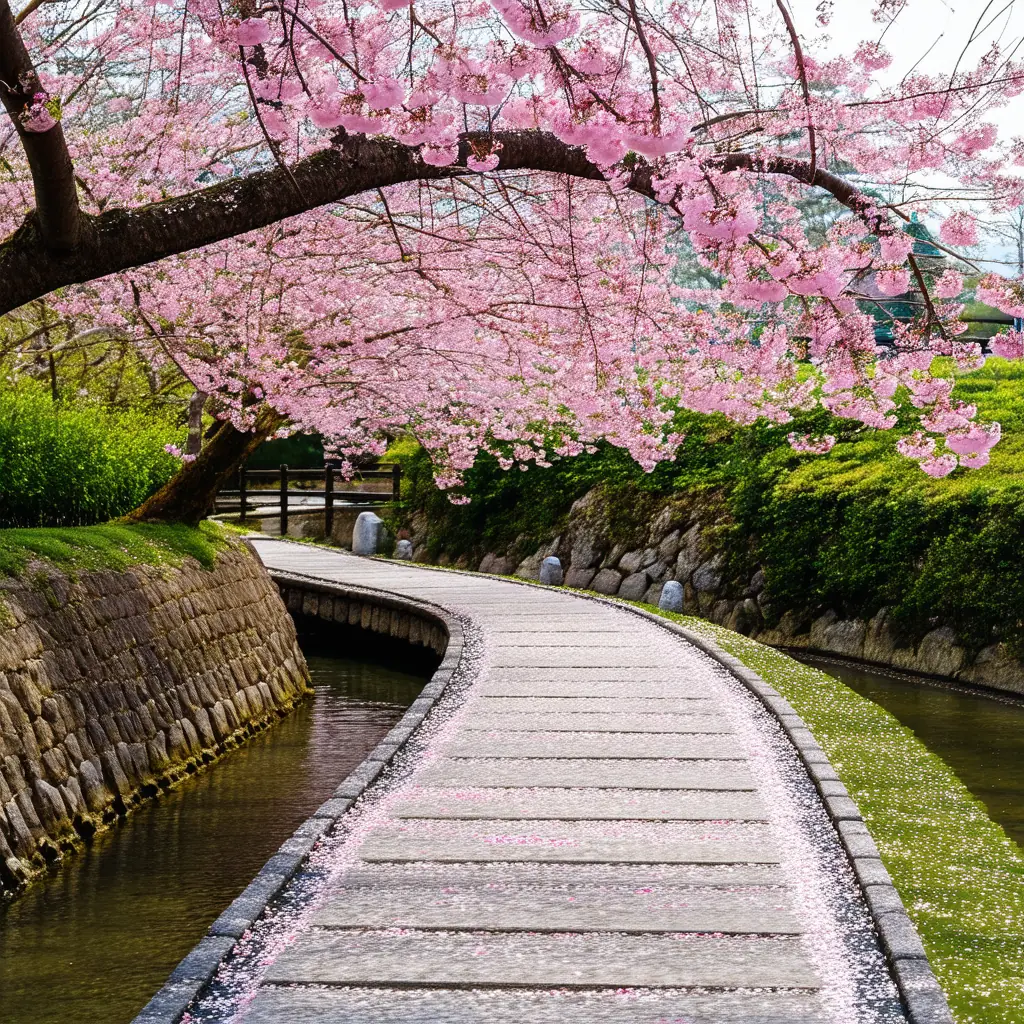
The thousand-year capital of Japan is small, walkable, and dense with temples — over a thousand of them, plus a handful of geisha districts that still function as such. The famous photographic stops are Fushimi Inari (the orange torii gates up the mountain), Kinkaku-ji (the gold pavilion), and the bamboo grove at Arashiyama. The less photographed pleasures are better: a tea house in Gion at dusk, a kaiseki dinner at a ryokan, and a pre-dawn walk through Kiyomizu before the tour buses. Two days is too few; four is right.
Visual Guides
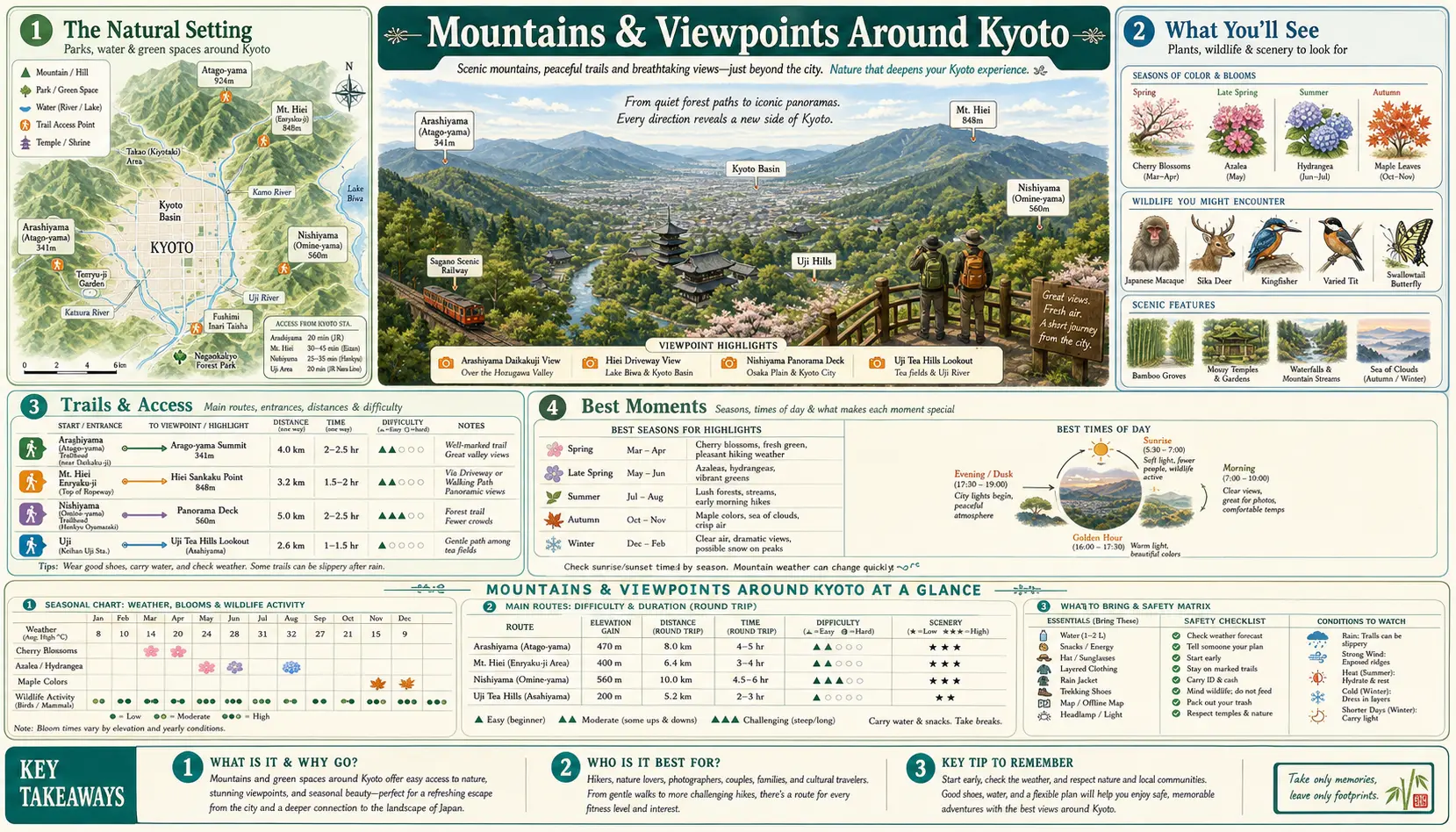
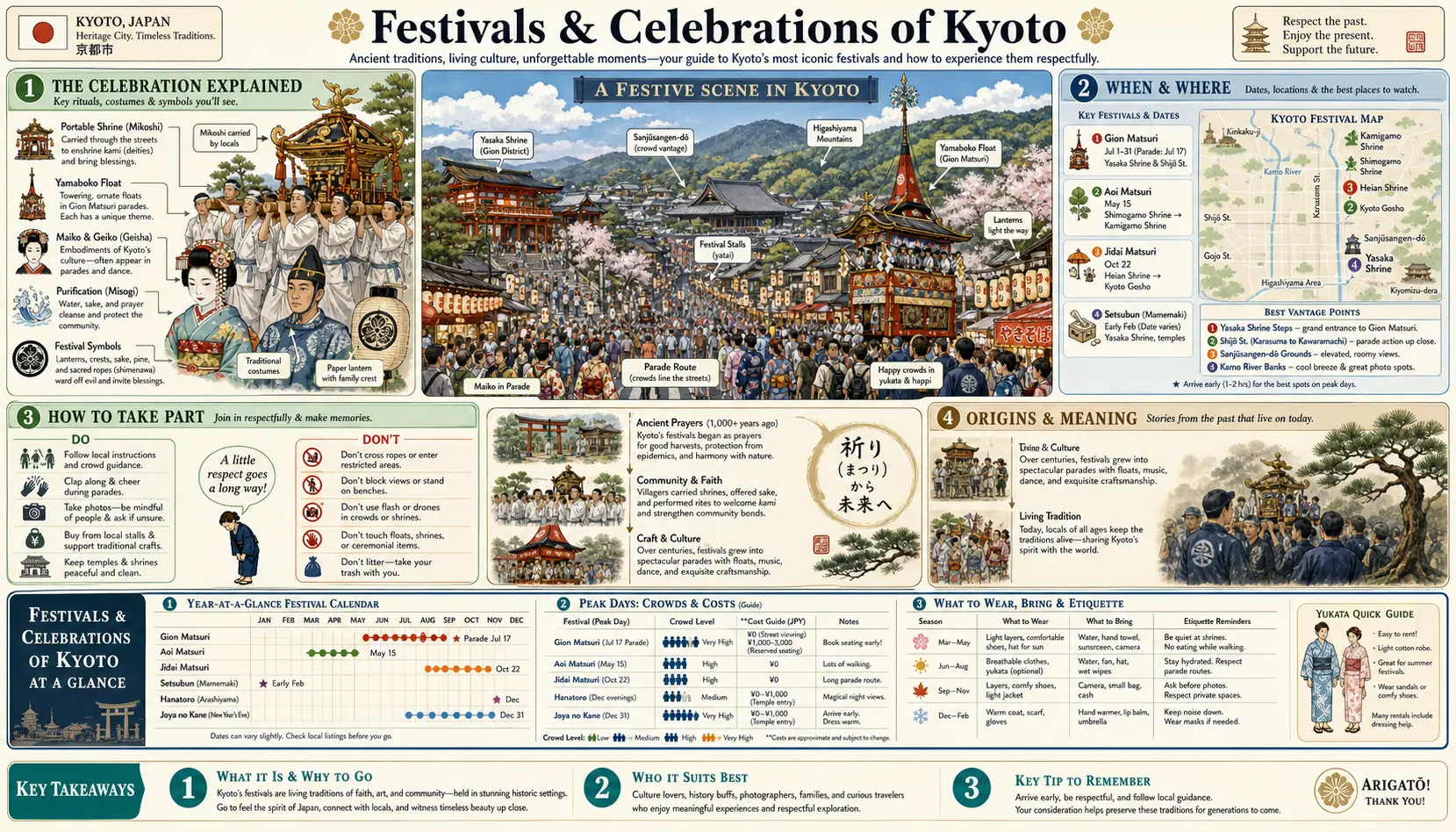
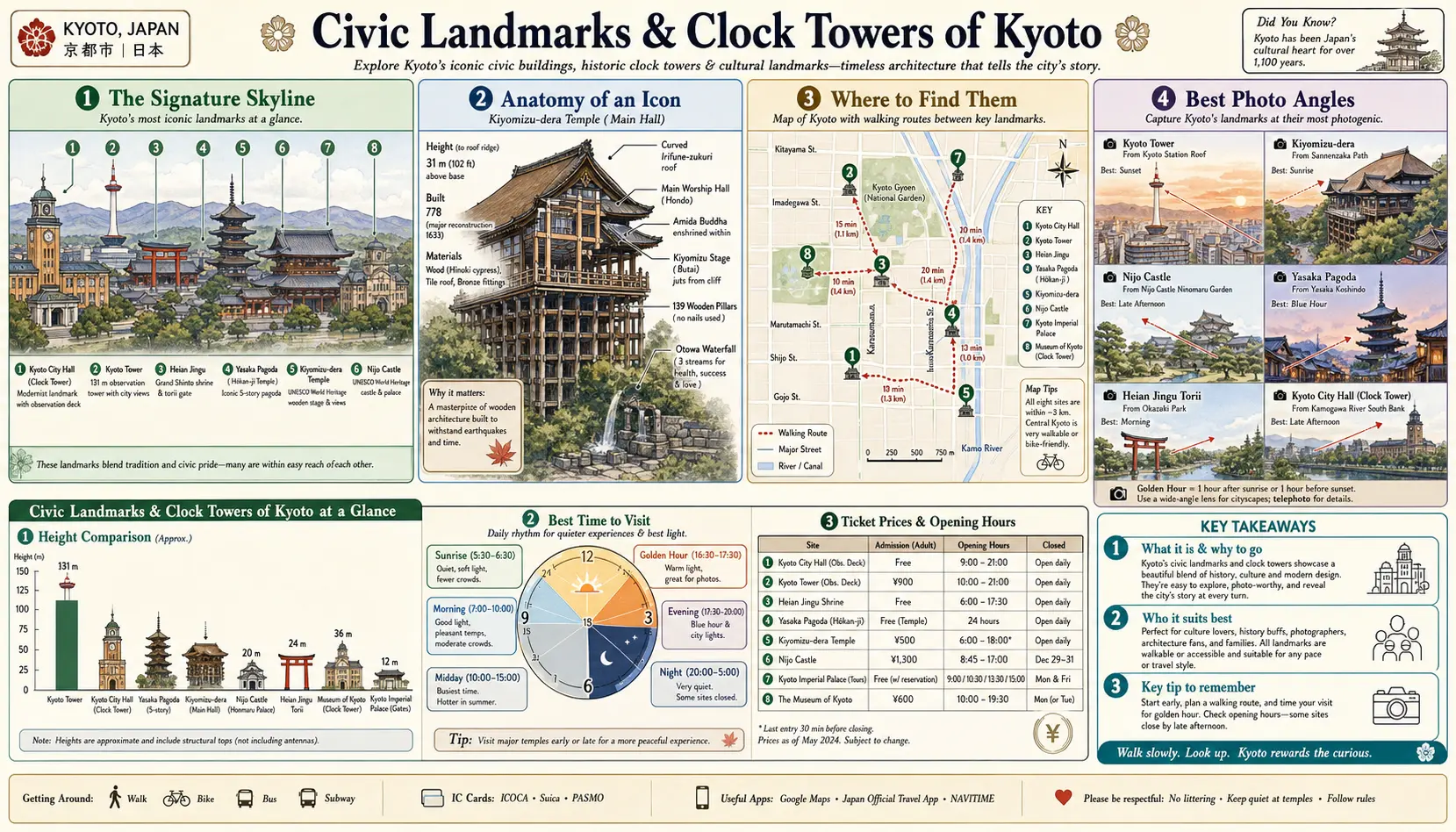
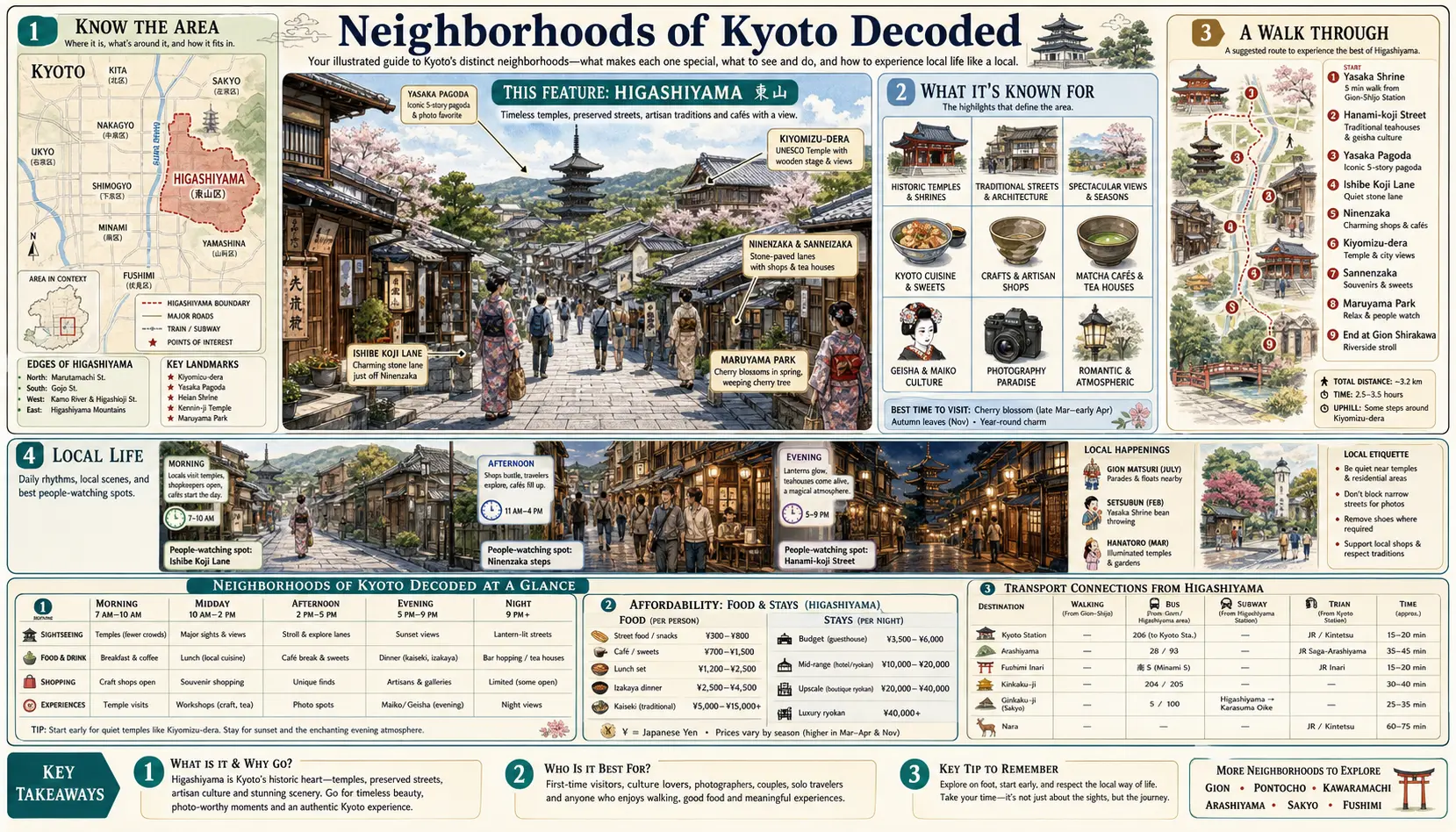
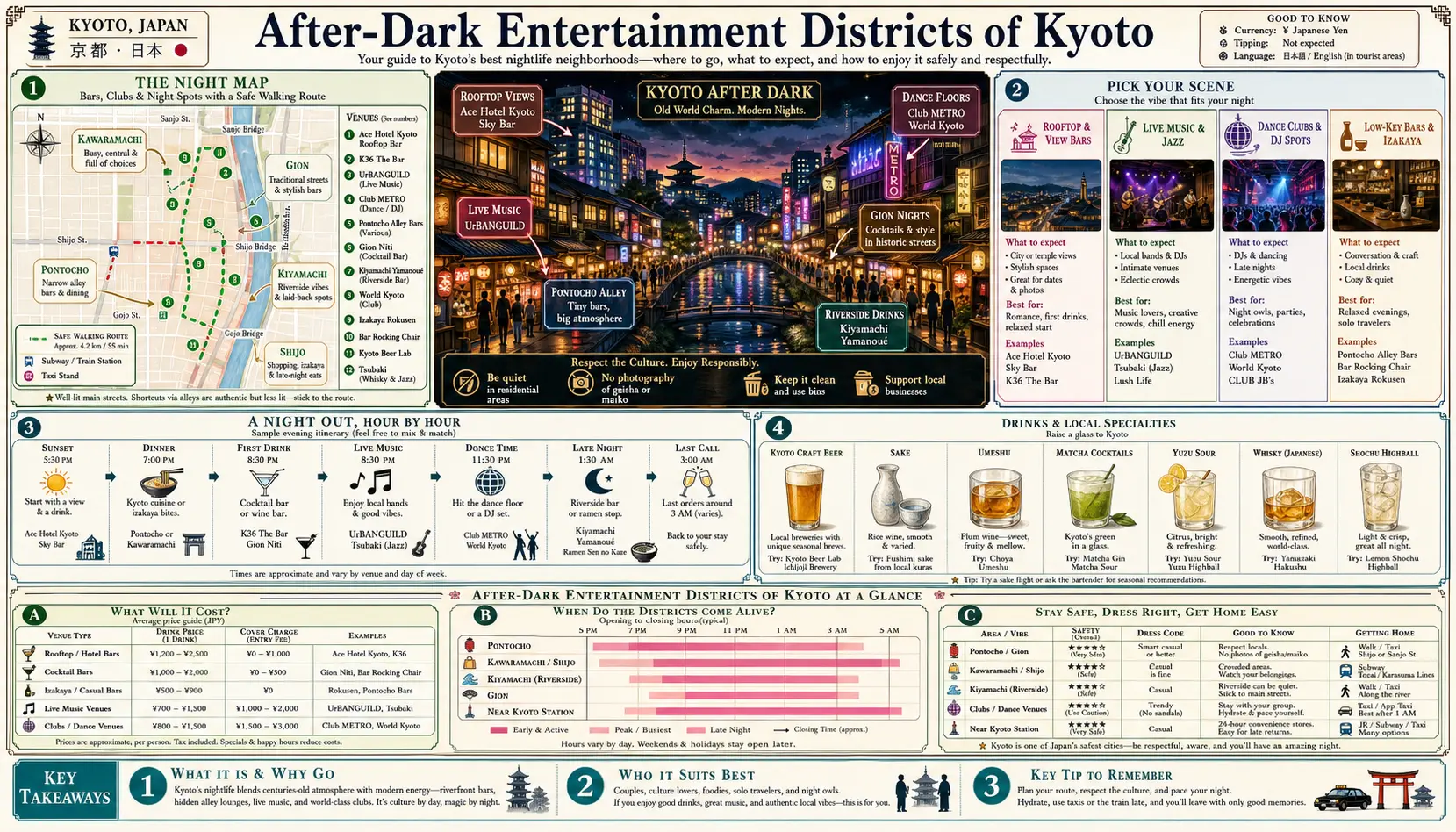
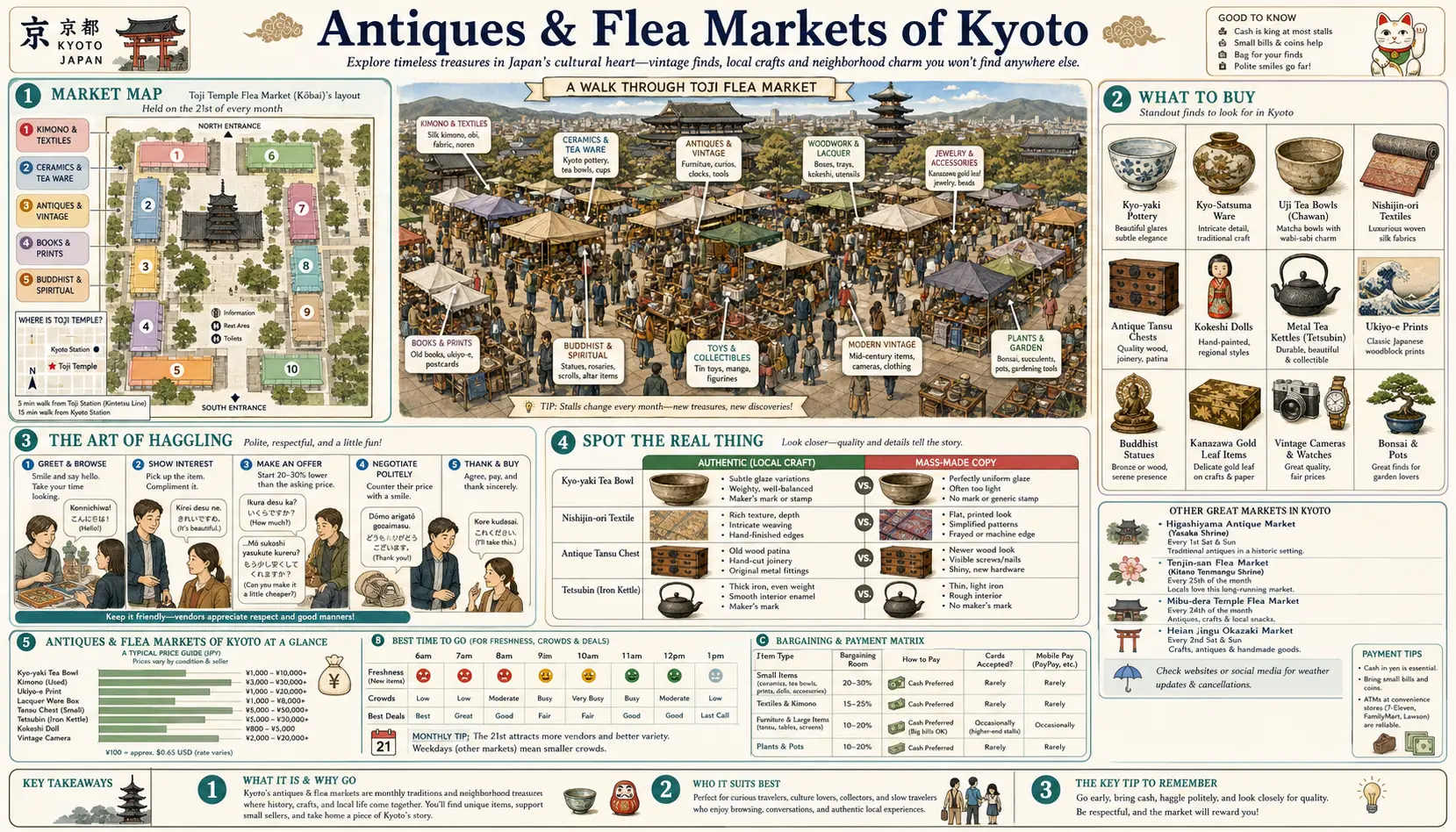
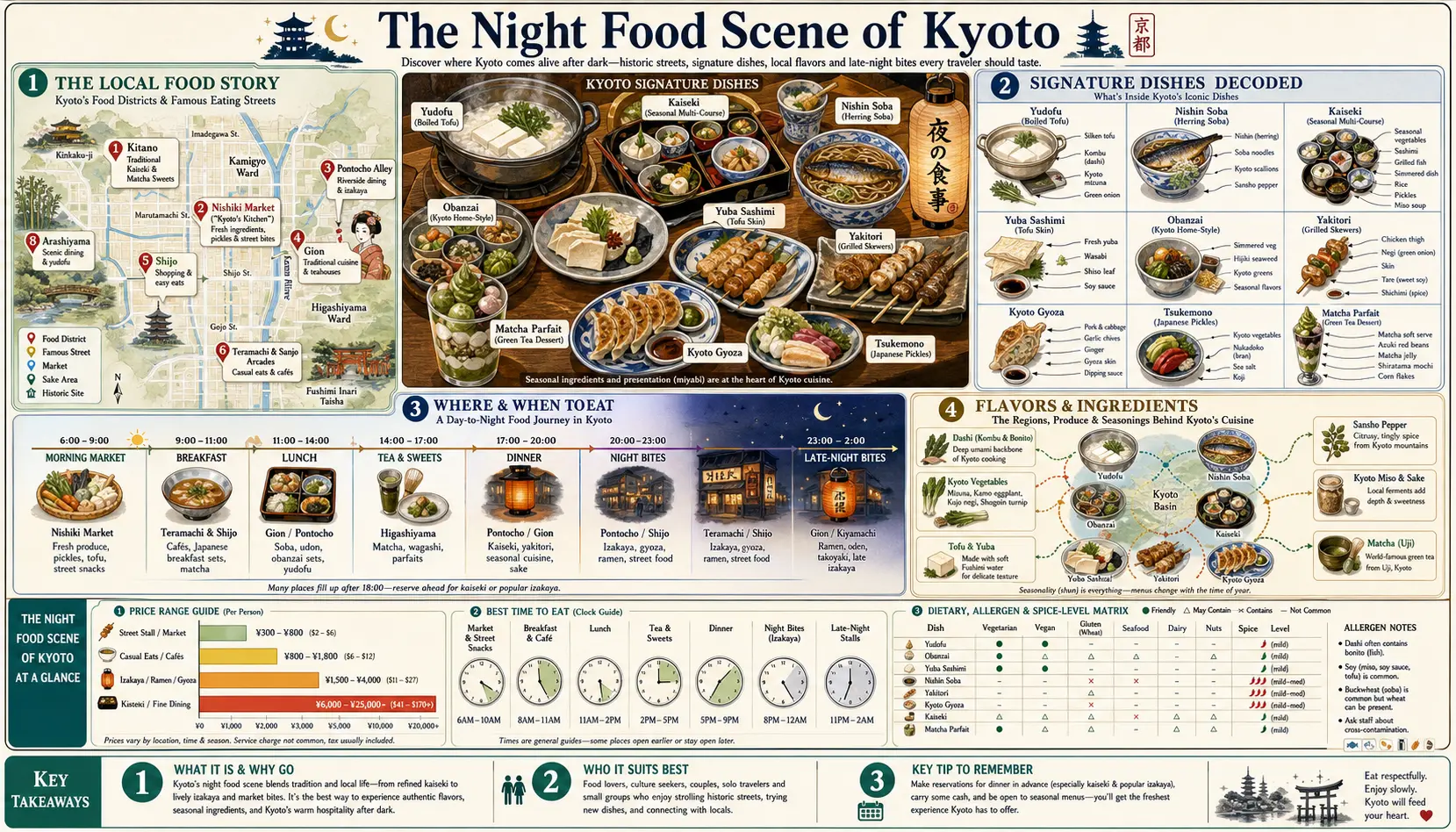
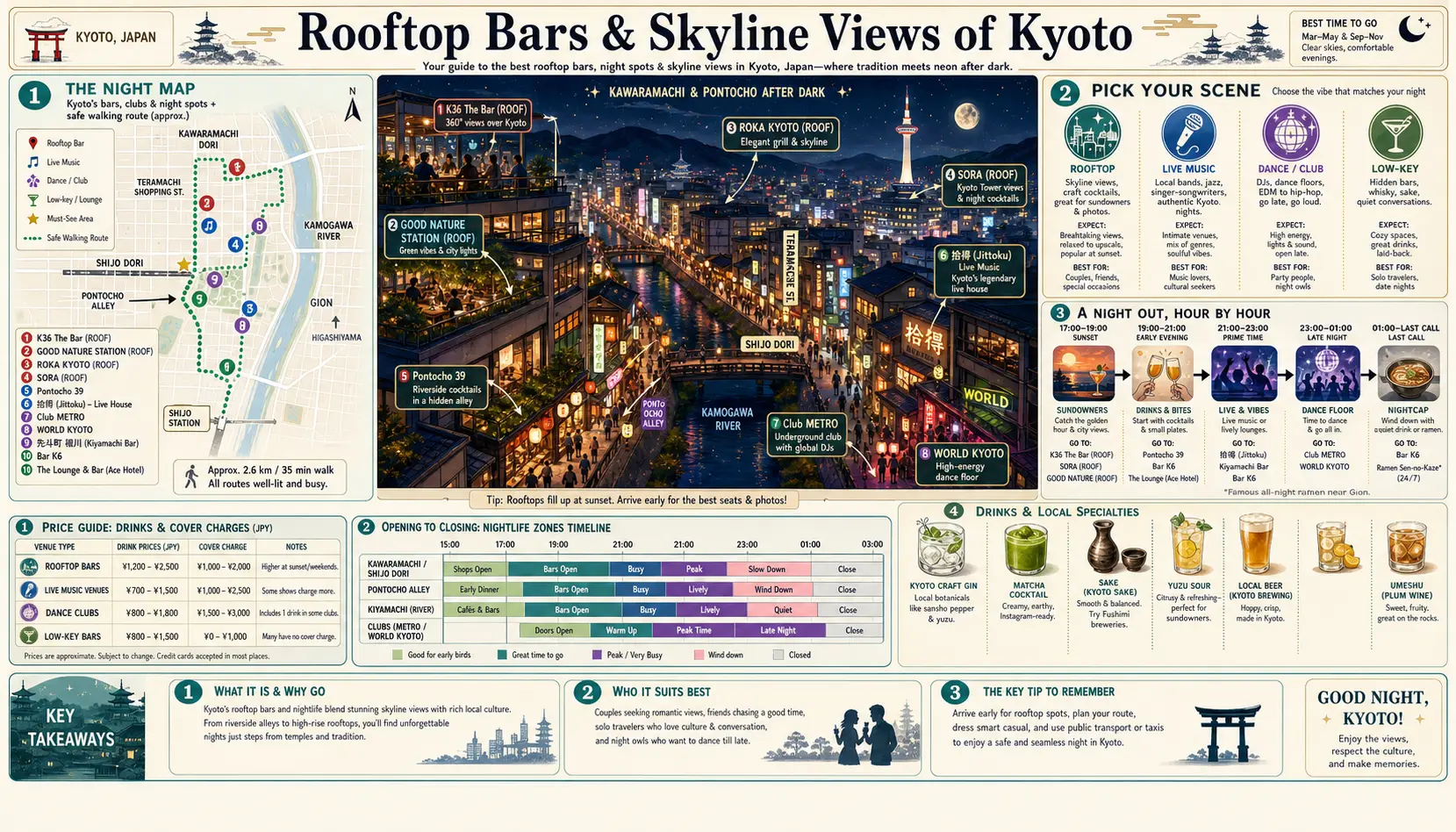
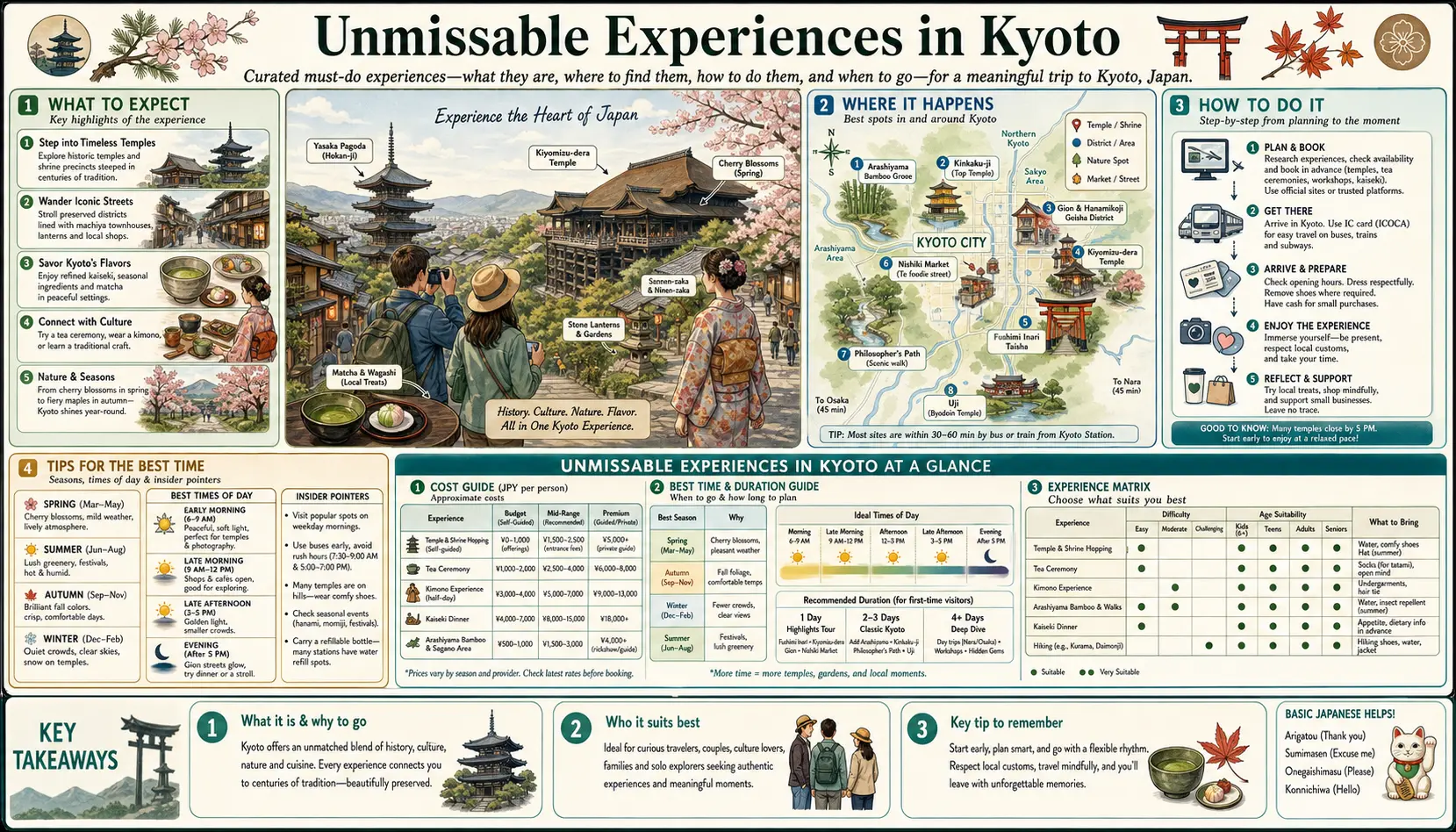
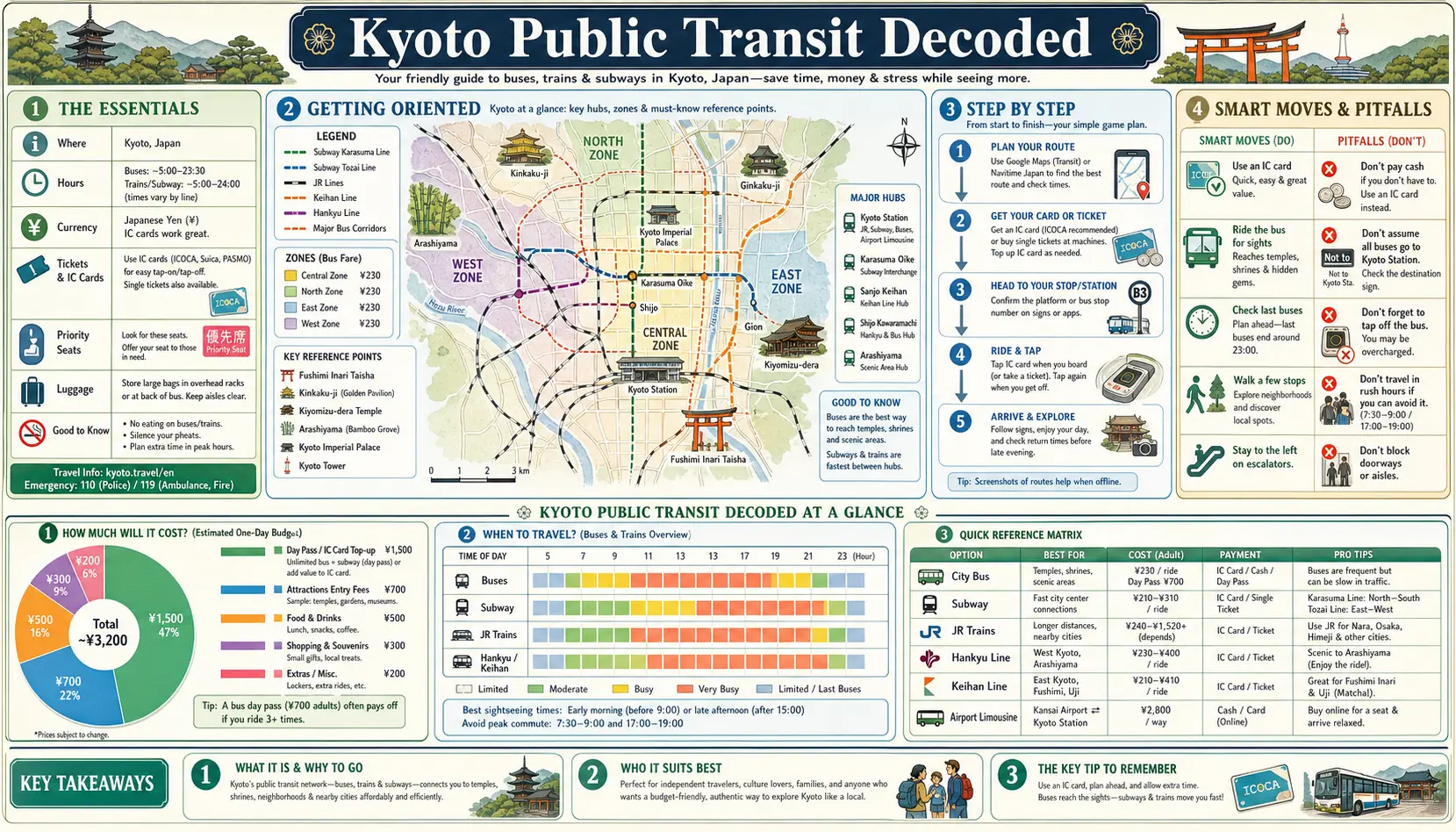
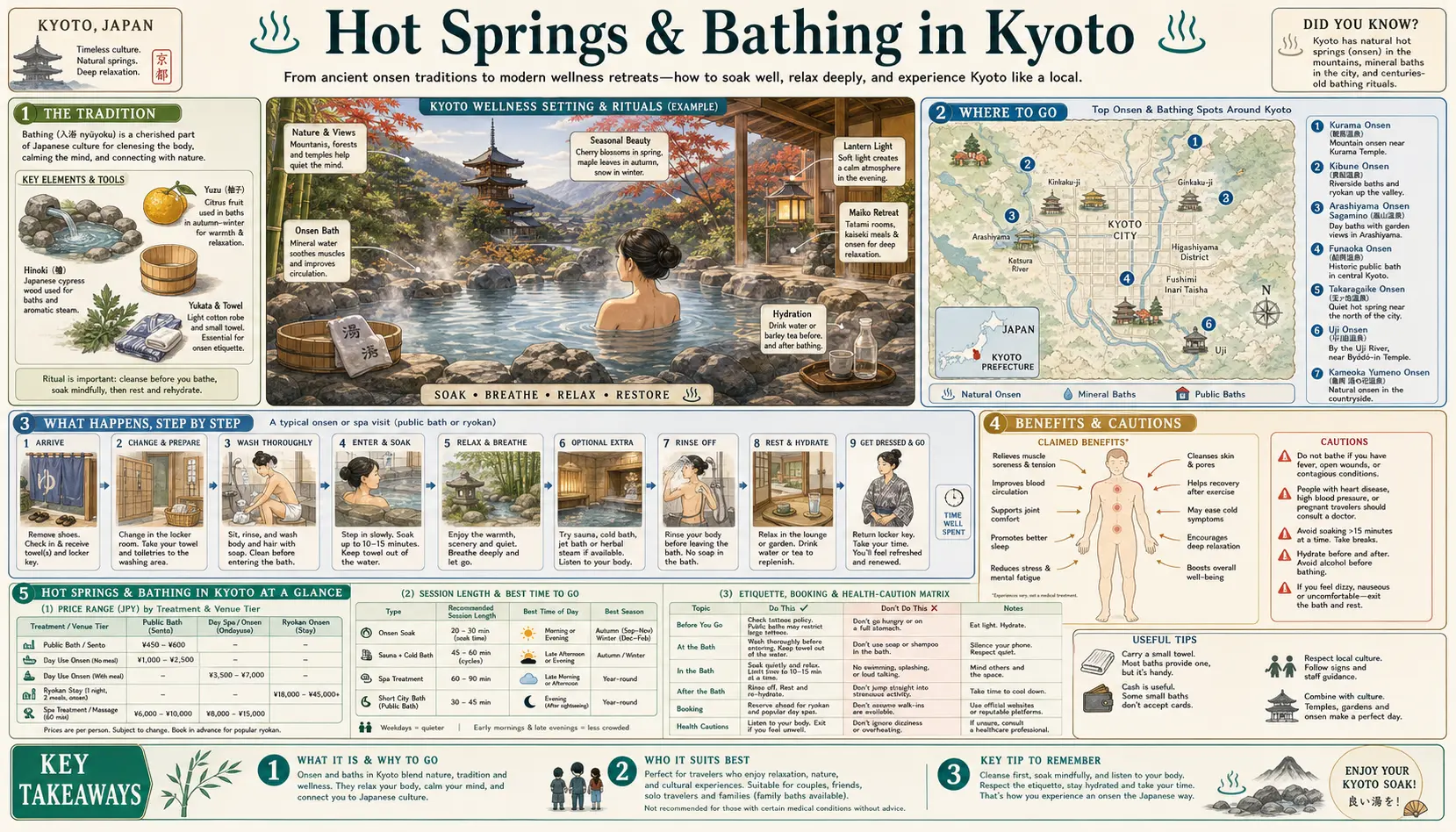
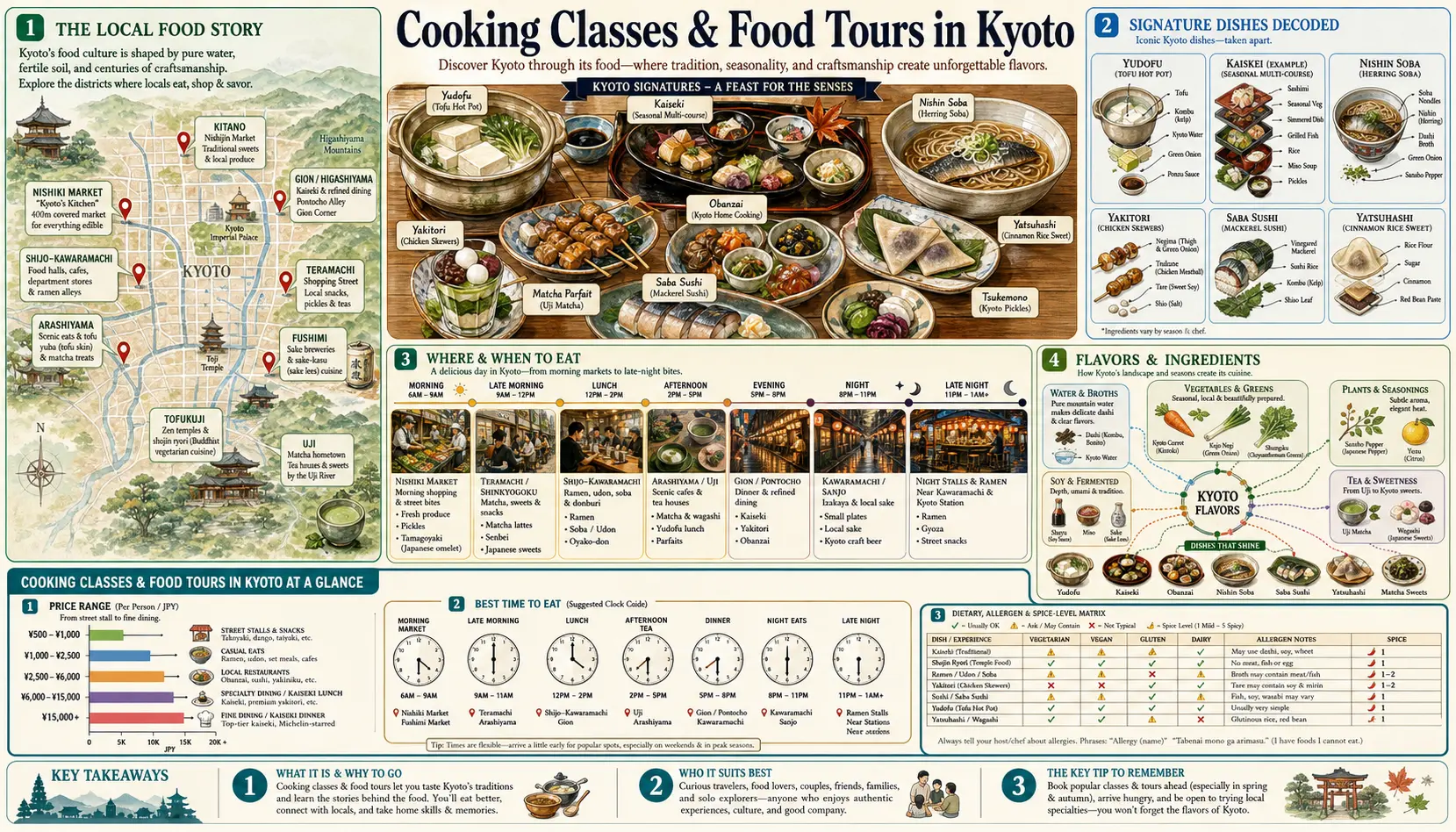
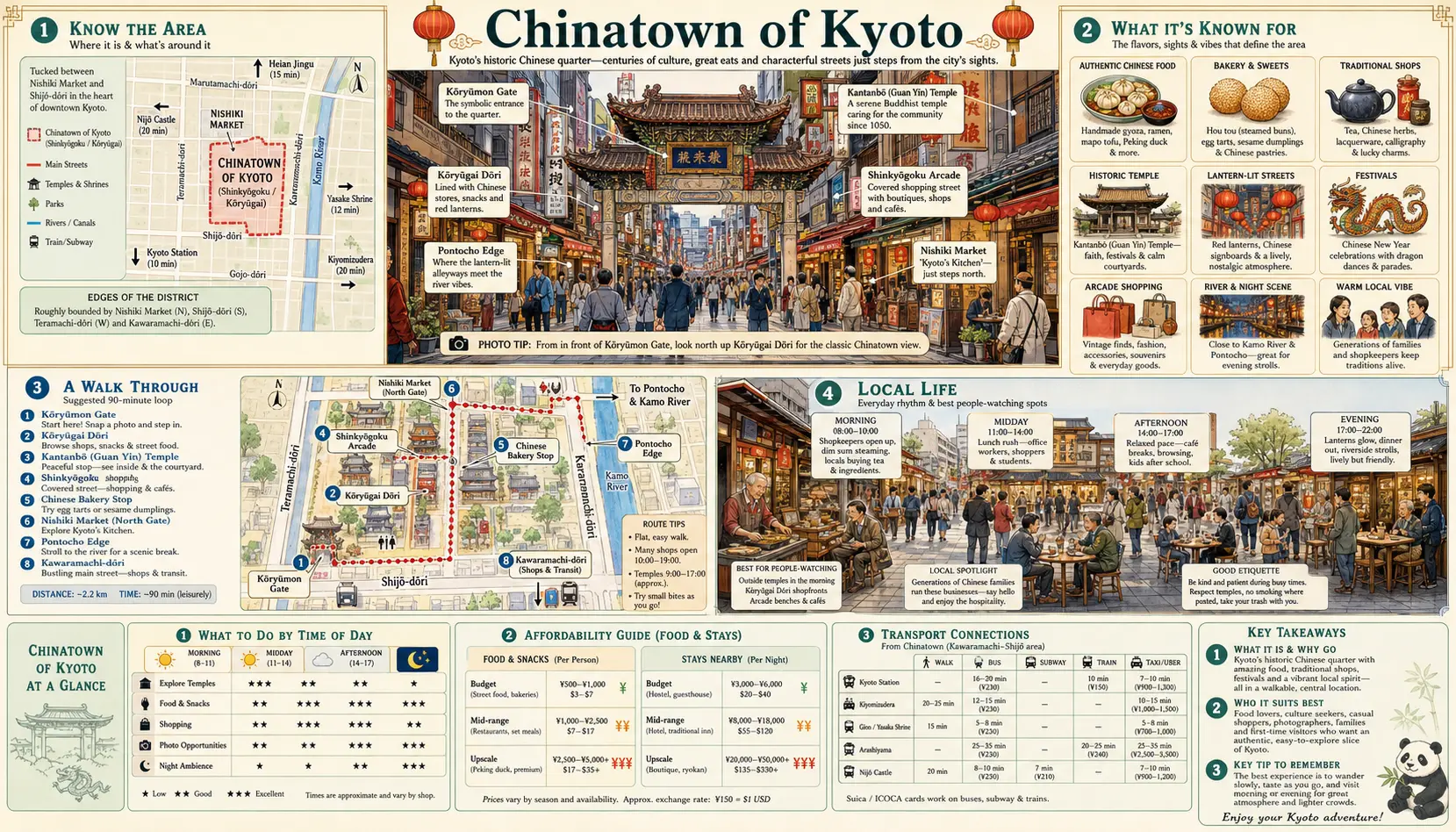
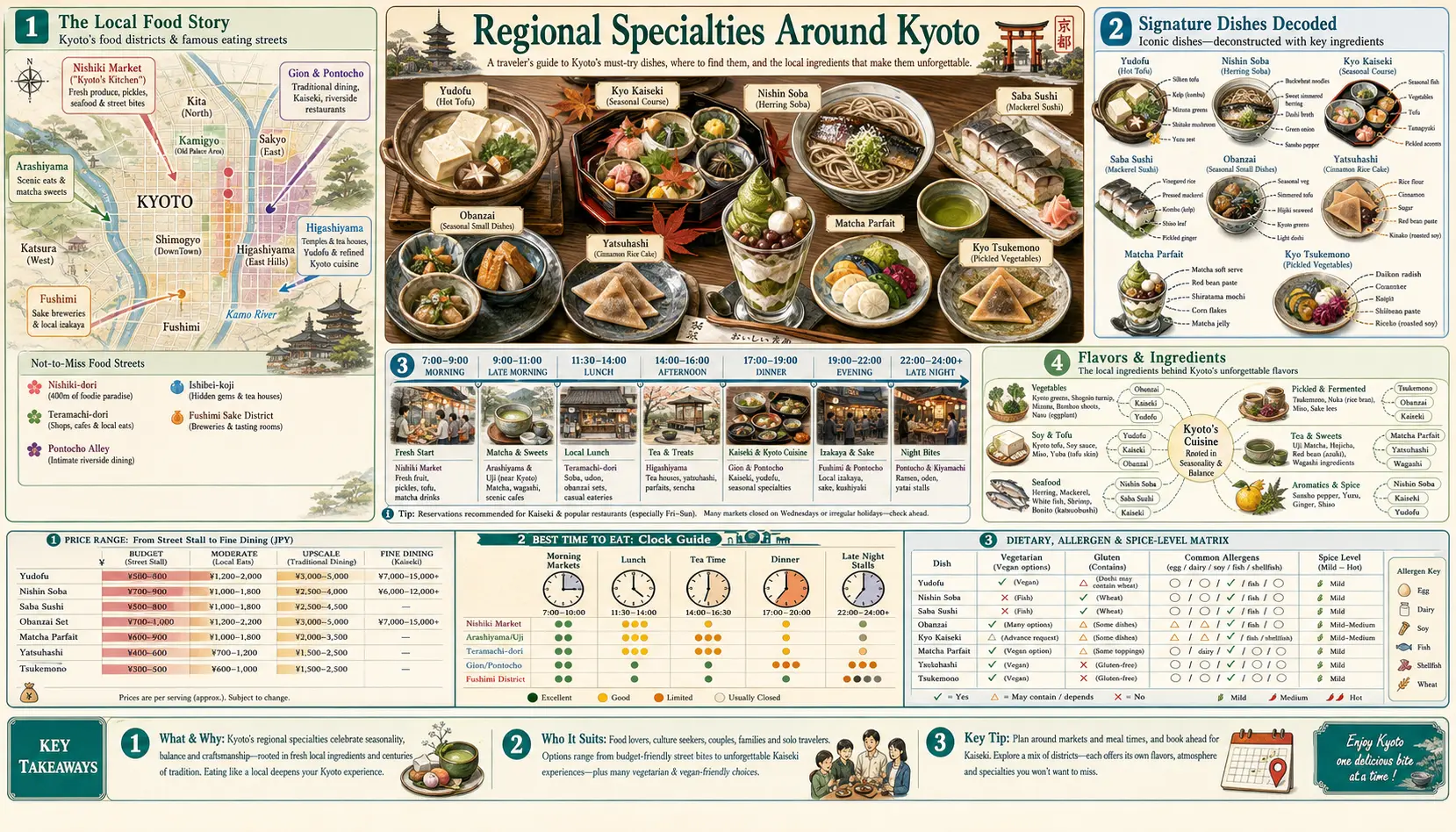
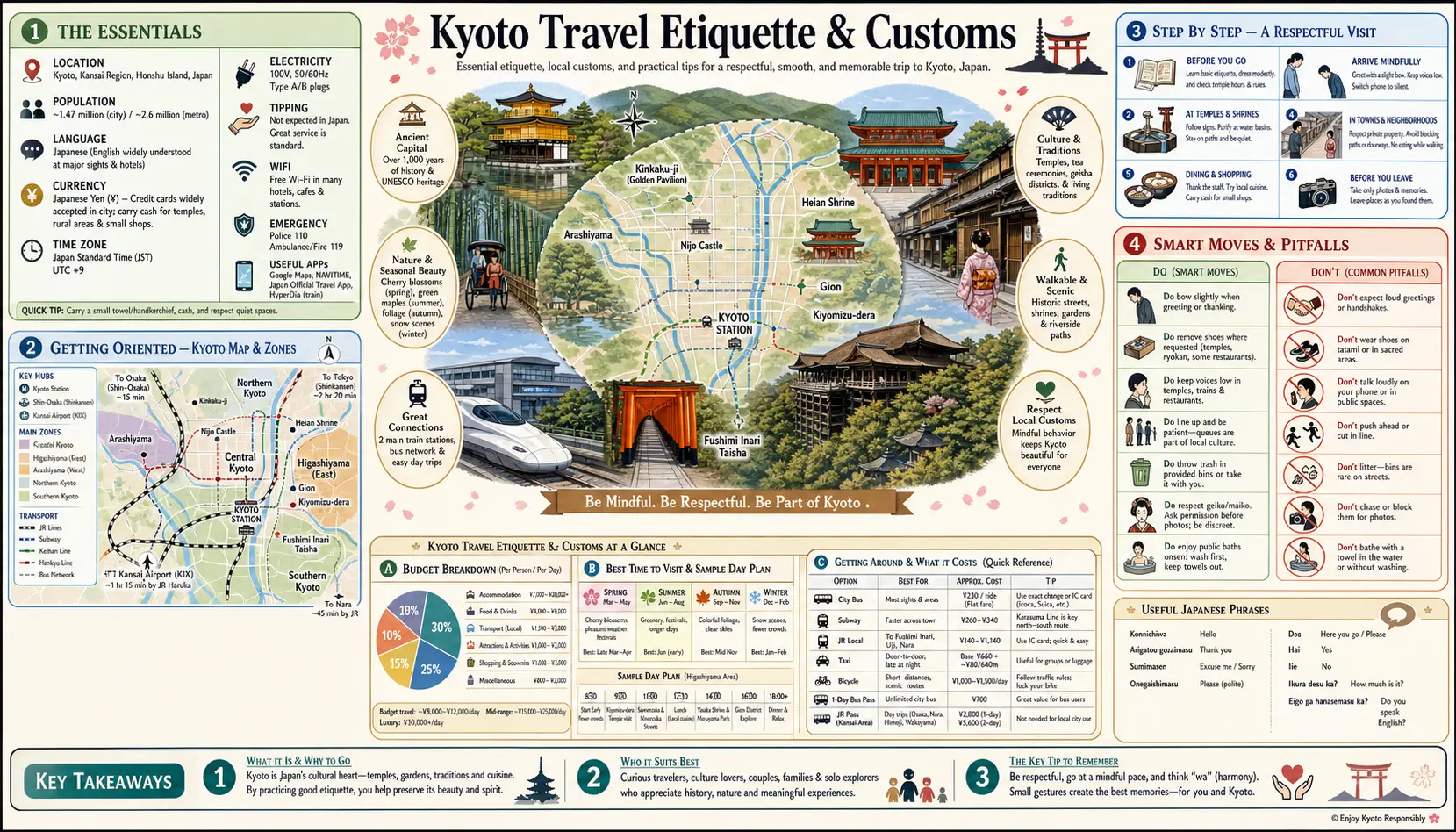
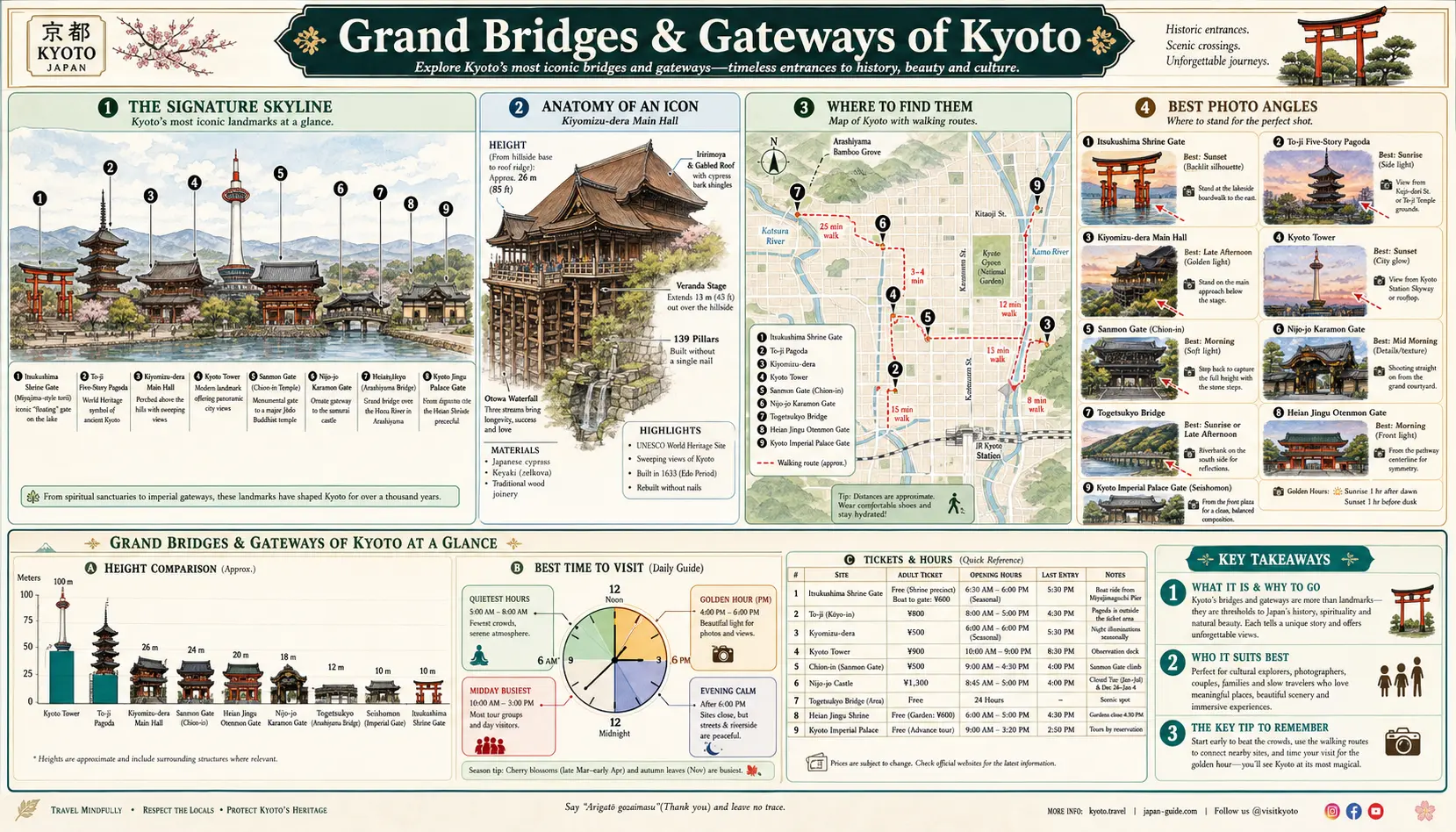
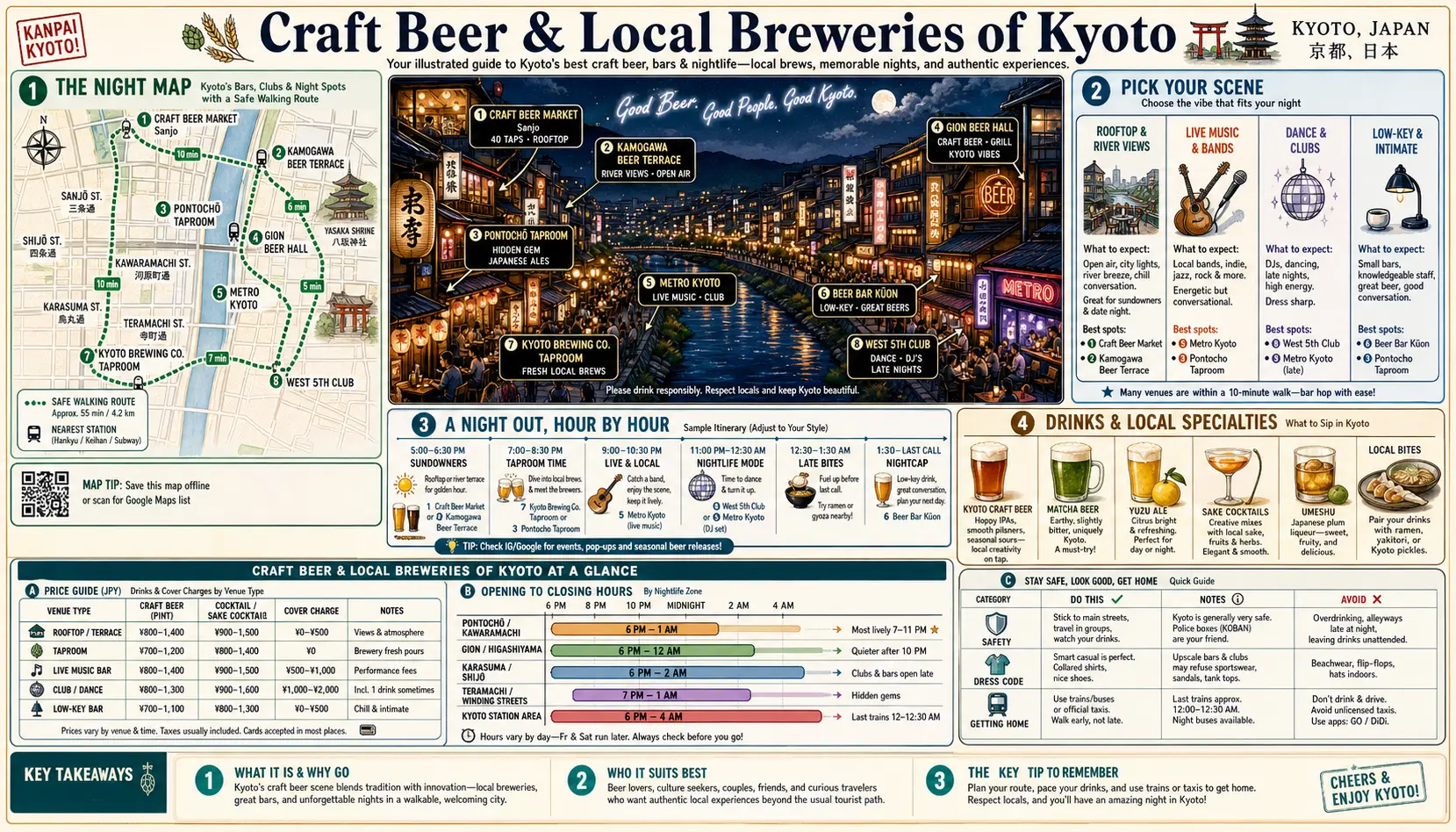
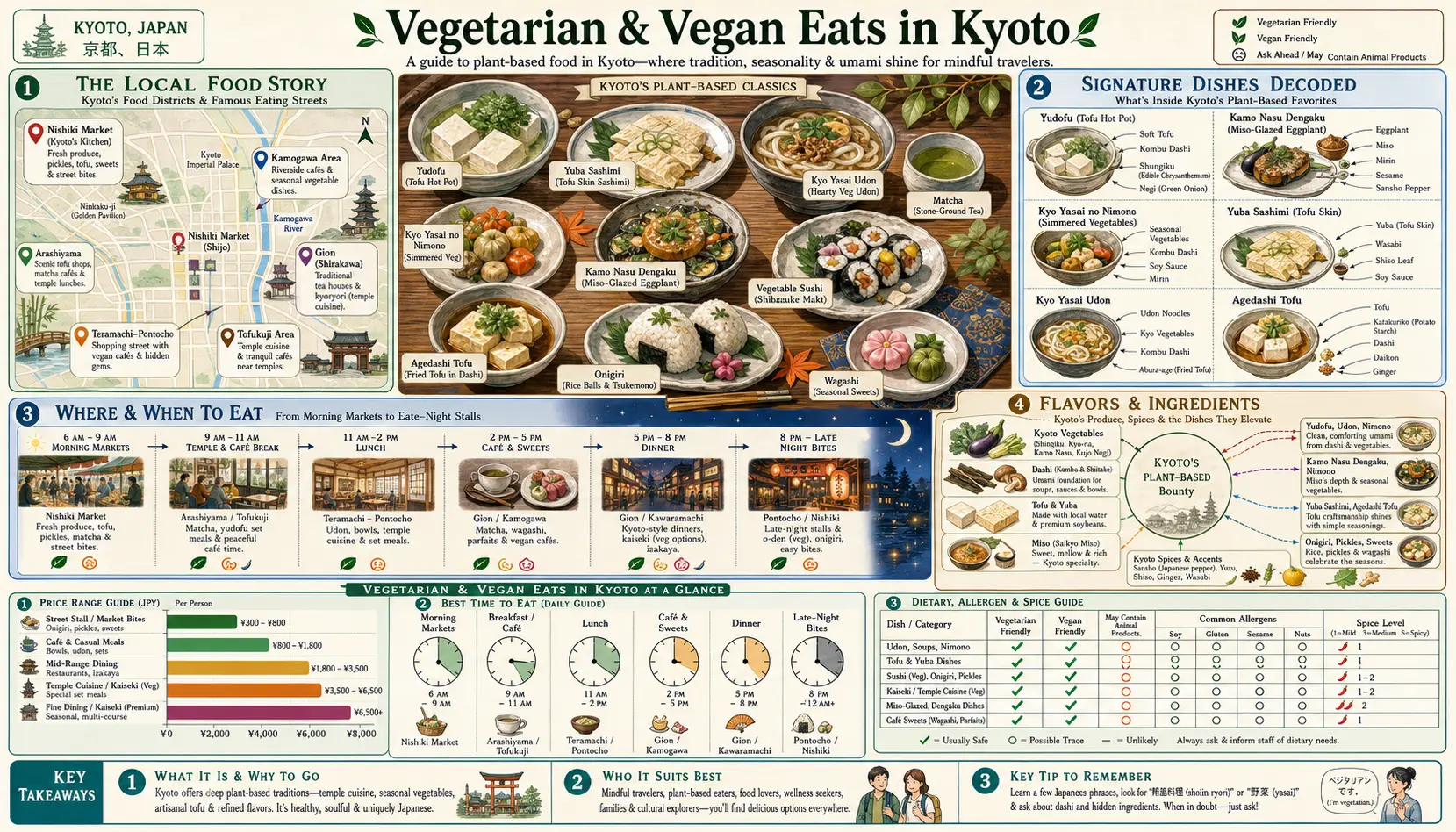
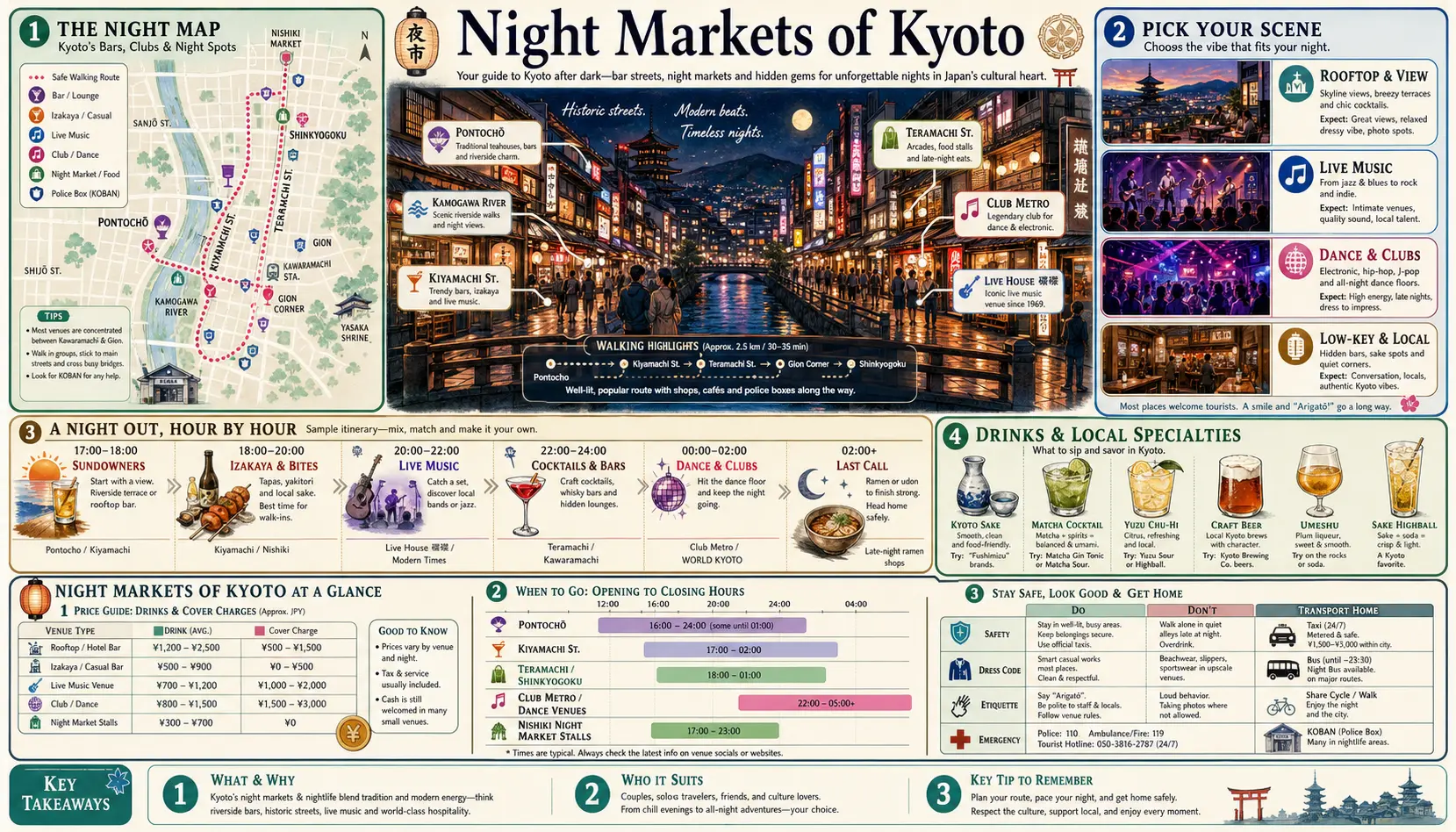
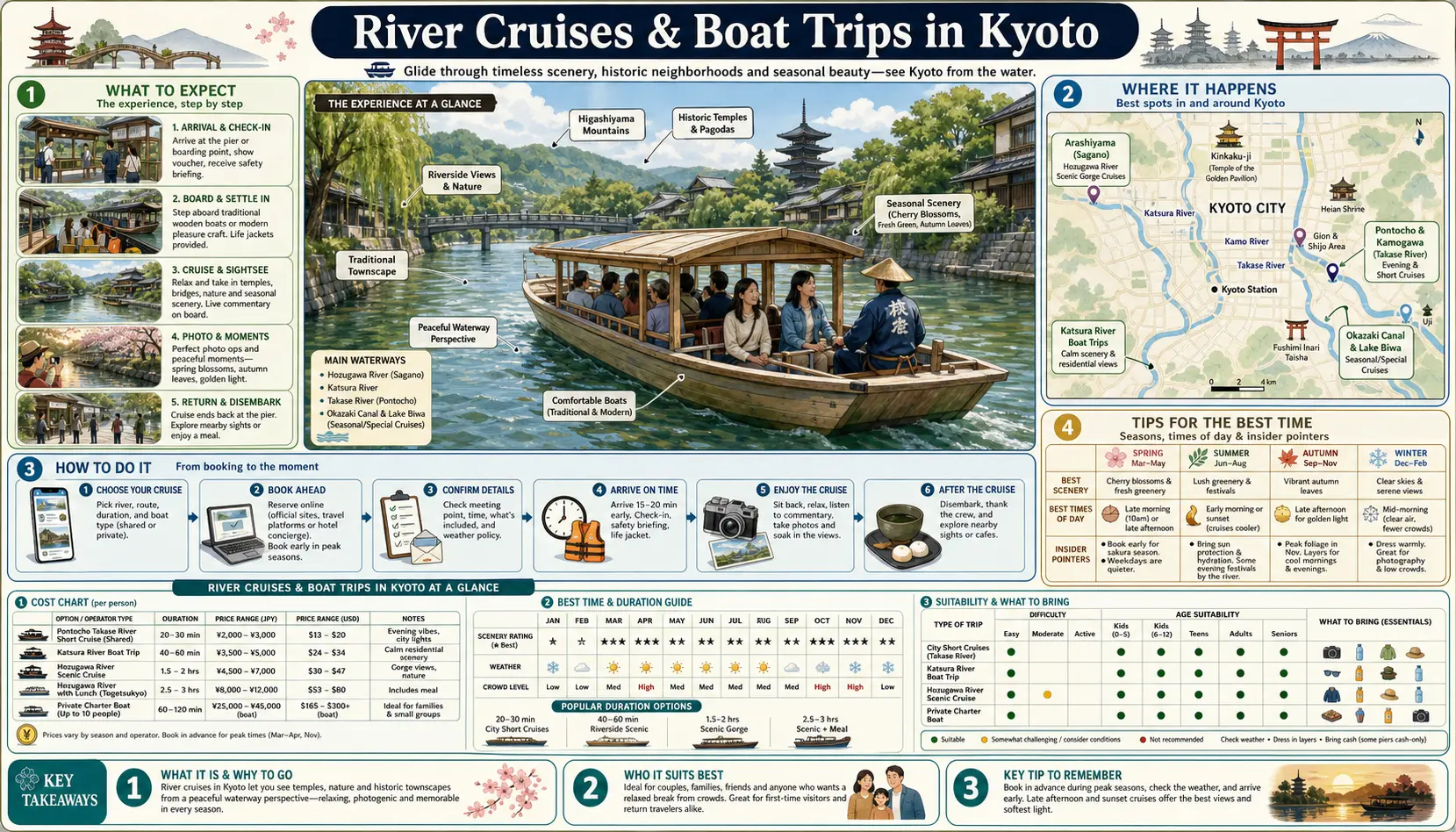
Iconic Landmarks of Kyoto — click to open full size.Mountains & Viewpoints Around Kyoto — click to open full size.Festivals & Celebrations of Kyoto — click to open full size.Civic Landmarks and Clock Towers — click to open full size.Neighborhoods of Decoded — click to open full size.After Dark Entertainment Districts — click to open full size.Antiques and Flea Markets — click to open full size.Night Food Scene — click to open full size.Rooftop Bars and Skyline Views — click to open full size.Unmissable Experiences — click to open full size.Public Transit Decoded — click to open full size.Hot Springs and Bathing — click to open full size.Cooking Classes and Food Tours — click to open full size.Chinatown — click to open full size.Regional Specialties — click to open full size.Travel Etiquette and Customs — click to open full size.Grand Bridges and Gateways — click to open full size.Craft Beer and Local Breweries — click to open full size.Vegetarian and Vegan Eats — click to open full size.Night Markets — click to open full size.River Cruises and Boat Trips — click to open full size.
Fushimi Inari at sunrise.Kinkaku-ji golden pavilion.Arashiyama bamboo grove.Gion district at dusk.Kiyomizu-dera before dawn.Philosopher’s Path in spring.