Diving and Snorkeling in Bali
Part of the Bali travel guide — see every topic in All Bali Guides.
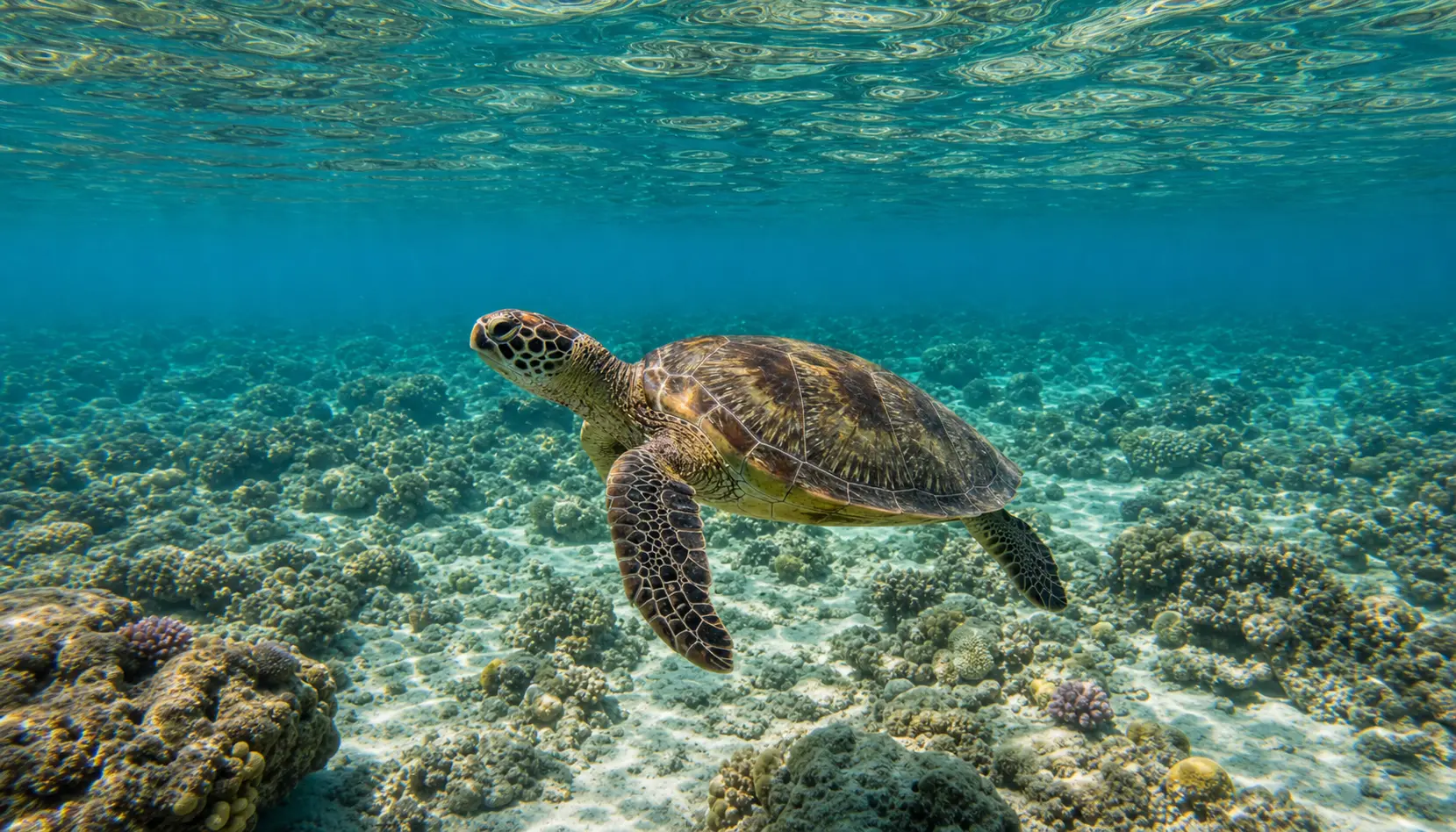
Bali sits at the western edge of the Coral Triangle, and its diving is unusually varied for an island you can drive across in two hours. The east coast has a wreck in three metres of water and drift walls; the Nusa islands to the south-east have manta rays year-round and the sunfish season that draws divers from across the world; and the north-west has the calm, shallow reef of Menjangan. Visibility and water temperature both change sharply with the season and the site, which is the main thing to plan around.
Tulamben and the Liberty wreck
The USAT Liberty is a 120-metre American cargo ship torpedoed in 1942, beached at Tulamben, and pushed into the water by the 1963 eruption of Mount Agung. It now lies parallel to the shore between five and thirty metres down, thirty metres from the beach, encrusted in coral and patrolled by a resident school of bumphead parrotfish that arrive at dawn. You can snorkel the shallow end. It is one of the most accessible wrecks anywhere, which means it is busy from about nine — the trick is a first dive at six. The beach is black volcanic pebble and the entry is a short, awkward walk in booties.
Nusa Penida: mantas and mola-mola
Manta Point on Penida's south coast is a cleaning station where reef mantas with four-metre wingspans queue over a bommie; sightings run above eighty per cent year-round, and this is a site you can snorkel as well as dive. Crystal Bay and Blue Corner are the sunfish sites — the enormous, strange mola-mola come up from deep water between roughly July and October, in water that can drop to eighteen degrees with serious downcurrents. Penida diving is advanced: the currents are the reason the fish are there, and every operator will ask about your experience for a reason.
Muck, walls and Menjangan
Seraya and Puri Jati on the north-east coast are black-sand muck sites — nothing to look at until you slow down and start finding mimic octopus, frogfish, harlequin shrimp and every kind of nudibranch. Macro photographers plan whole trips around them. Amed has gentle sloping reef and a Japanese wreck in shallow water, and is the easiest place on the island to learn. Menjangan island, inside the West Bali National Park, has the clearest water on Bali — sheer walls, no current, and thirty-metre visibility on a good day. It is a three-hour drive from the south, so it is worth an overnight.
Costs, seasons and safety
A two-tank day trip from the south to Tulamben or Amed runs roughly 1.2–1.8 million rupiah including gear, lunch and the long transfer; Nusa Penida day trips are similar. An open-water certification course is 5–7 million rupiah over three or four days. The dry season, May to October, gives the best visibility everywhere except that it is also the cold-water sunfish season at Penida — bring or rent a five-millimetre wetsuit if you are going deep there. There is no recompression chamber on Bali itself; the nearest is in Denpasar at Sanglah hospital, and dive insurance is a sensible purchase.
Diving and Snorkeling at a glance
| Signature dive | USAT Liberty wreck, Tulamben (shore entry, 5–30 m) |
|---|---|
| Mantas | Manta Point, Nusa Penida — year-round, snorkelable |
| Sunfish (mola-mola) | July–October, Crystal Bay, 18–22°C, advanced |
| Best visibility | Menjangan, West Bali National Park |
| Two-tank day trip | IDR 1.2m–1.8m including transfer and gear |
| Open water course | IDR 5m–7m over 3–4 days |